
High no-show rates drain venue resources, skew catering estimations, reduce sponsor visibility, and leave empty seats in presentation halls.
Free registration events frequently suffer no-show rates between 40% to 50%, while paid events experience 15% to 25% non-attendance without structured reminder workflows. Knowing how to reduce event no show rate with automated SMS reminders, nominal deposit holds, and interactive pre-event scheduling protects your turnout numbers.
This practical guide details proven attendee retention tactics step by step. You will learn how to automate communication sequences, enforce ticket commitment fees, structure calendar invites, and optimize ticket transfer rules.
Quick Answer: How to Reduce Event No-Show Rate
To reduce event no-show rates below 10%, implement a 3-touch reminder sequence combining calendar invites (.ics files) at checkout, automated SMS text alerts 3 hours before doors open, and email reminders 24 hours prior. For free community events, charge a refundable $10 deposit refunded upon gate check-in or require active 48-hour RSVP re-confirmation via text. Allow easy one-click ticket transfers so registered buyers can pass unused digital passes to colleagues.
Key Takeaways
- Automate 3-Touch Reminders: Send calendar invites upon registration, an email preview 24 hours out, and an SMS alert 3 hours before doors open.
- Charge Refundable Commitment Deposits: Require a $5 to $15 deposit for free events that refunds automatically upon scanning at the gate.
- Enable One-Click Pass Transfers: Allow buyers to transfer digital tickets to friends or colleagues if their schedule changes.
- Overbook Free Events Strategically: Calculate your baseline attendance conversion rate to overbook free admission slots by 20% to 30%.
Why Registered Attendees No-Show
Analyzing the buyer psychology behind missed attendance allows coordinators to fix retention gaps.
The most common drivers of high no-show rates include:
- Zero Financial Commitment: Free tickets carry no financial risk, leading registrants to treat reservations as optional backup plans.
- Missing Calendar Synchronization: Attendees fail to add event dates to their digital work calendars at the time of initial checkout.
- Frictionful Ticket Transfers: Registrants who experience scheduling conflicts cannot transfer passes to interested colleagues easily.
- Lack of Pre-Event Engagement: Long silence gaps between initial registration and event day cause buyers to forget event value propositions.
Step 1: Implement Automated Multi-Channel Reminders
Relying on a single confirmation email at registration leads to high drop-off rates.
Establish an automated communication sequence combining email notifications and SMS text messages as your event date approaches.
When configuring automated email sequences and ticket delivery portals, review our guide on implementing digital ticketing to ensure high inbox deliverability.
Structure your reminder sequence across three key milestones:
1. Immediate Confirmation: Deliver digital PDF wallet passes along with an embedded “Add to Google/Apple Calendar” button.
2. 24-Hour Preview Email: Send venue parking maps, door arrival times, and speaker highlights one day before event doors open.
3. 3-Hour SMS Alert: Deliver a direct text message containing a fast-scan QR ticket link three hours prior to start time.
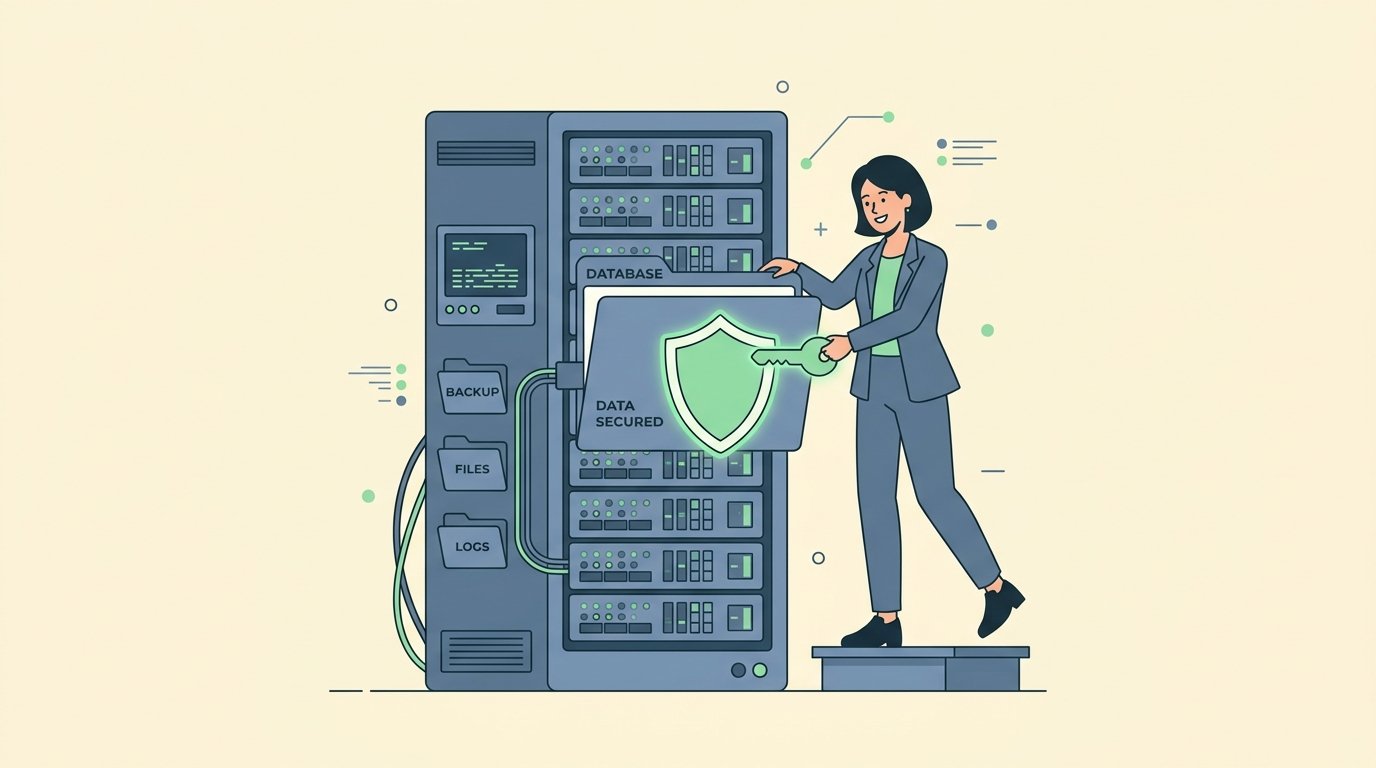
Automated mobile SMS and email reminder sequence flow
Step 2: Use Refundable Commitment Deposits
Free registration events experience the highest percentage of empty seats.
Charge a nominal refundable deposit (such as $10 or $15) during online registration. The ticket app automatically refunds the deposit to the buyer’s credit card the moment their pass scans at the gate.
To evaluate box office software tools and point-of-sale refund capabilities, read our buyer guide on box office management software.
According to operational standards published in PCMA’s event technology guidelines, charging a refundable commitment deposit reduces free event no-show rates from 45% down to under 12%.
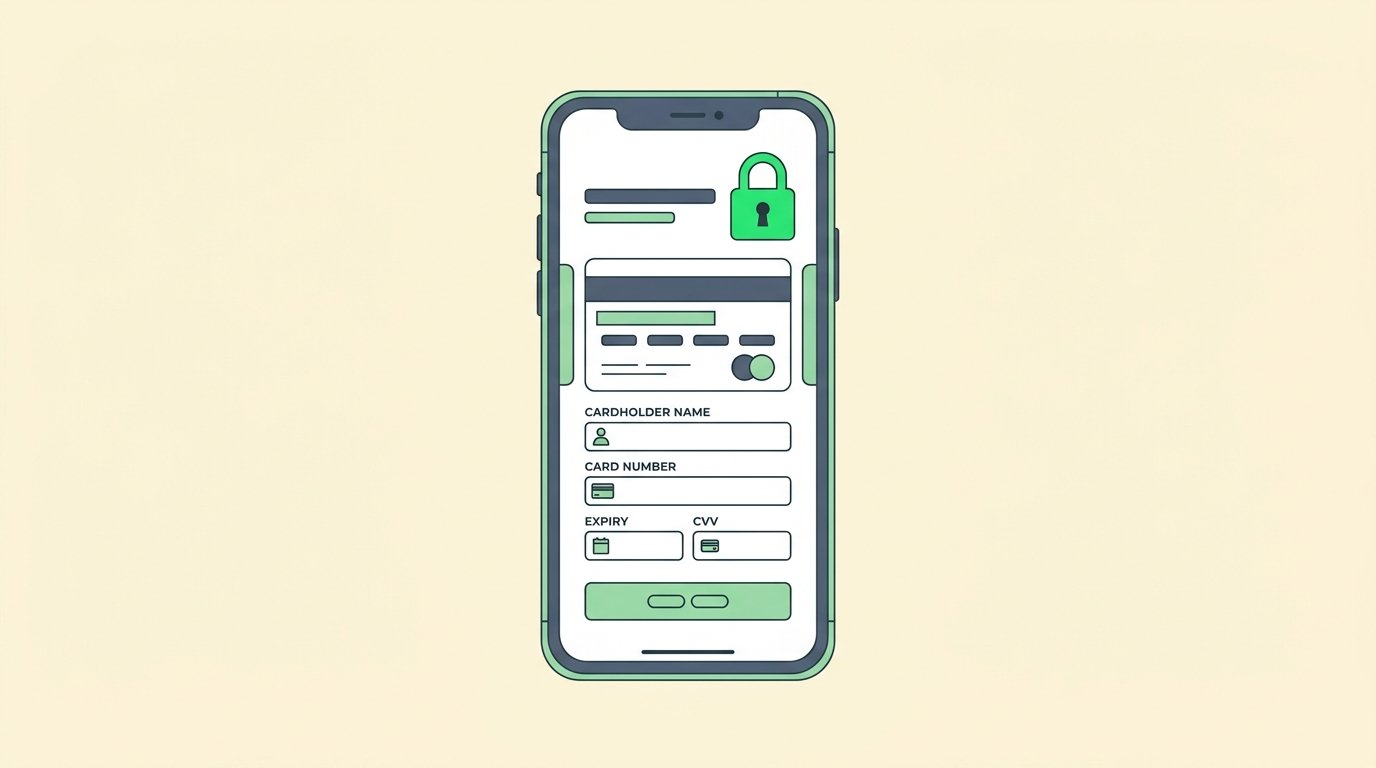
Refundable commitment deposit gate check-in refund workflow
Step 3: Require Active 48-Hour RSVP Re-Confirmation
For free community events where charging deposits is not feasible, enforce active RSVP confirmation.
Send an automated text message and email 48 hours before event day requiring registrants to click “Confirm Attendance” or “Release My Ticket.”
For complete operational checklists covering registration management, consult our master event planning checklist.
Unconfirmed tickets release back into live inventory automatically, allowing waitlisted attendees to claim vacant passes before doors open.
Step 4: Simplify Digital Ticket Transfers
Many registered attendees genuinely intend to come but encounter last-minute work conflicts.
Enable one-click ticket transfers inside your mobile ticketing portal. Allow pass holders to input a colleague’s email address to transfer their seat instantly.
For complete door management guidelines and scanner verification workflows, read our operational guide on how to manage event check in.
Allowing frictionless ticket transfers fills seats that would otherwise remain empty without increasing administrative workload.
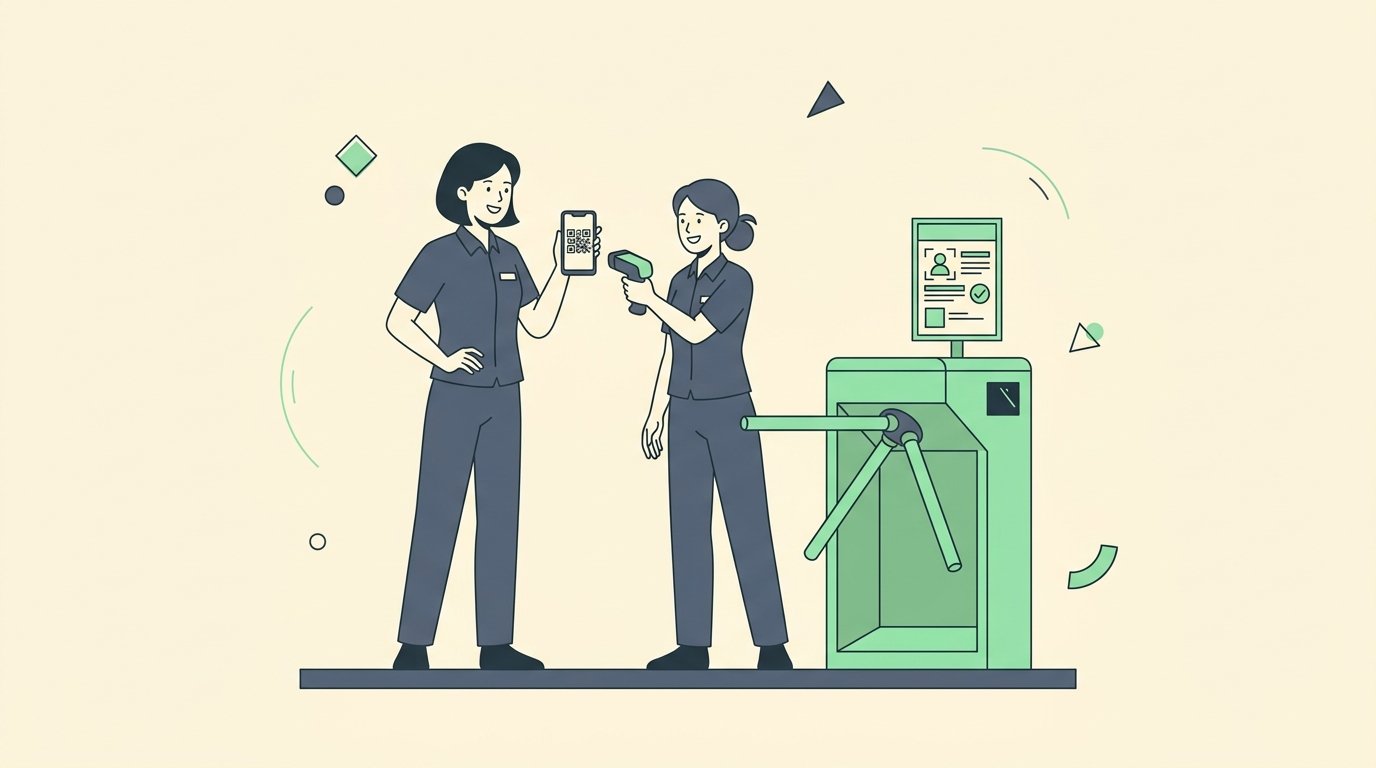
Frictionless one-click digital ticket pass transfer between attendees
Step 5: Overbook Free Capacity Strategically
Calculating your historical attendance conversion rate allows you to overbook free admission capacity safely.
If your past corporate workshops average a 70% attendance conversion rate (30% no-show rate), issue 130 free registration passes for a 100-seat room capacity.
To calculate net financial margins and tier pricing safety limits, read our step-by-step guide on how to price event tickets.
According to benchmark research from Eventbrite’s venue operational survey, strategic overbooking maintains 95%+ hall occupancy without creating door overflow risks.
Attendance Retention Strategy Comparison Matrix
Compare operational tactics to minimize empty seats at your next event.
Strategy Average No-Show RateImplementation EffortBest Used For Key Operational Benefit
- Standard Free Registration40% to 50% no-showsMinimal setupLow-capacity community meetupsMaximizes initial sign-up volume
- 3-Touch SMS & Email Sequence18% to 25% no-showsLow (Automated app flow)All paid & corporate eventsKeeps event top-of-mind
- 48-Hour Re-Confirmation12% to 18% no-showsModerate setupFree workshops & seminarsRecycles unused passes to waitlist
- Refundable Deposit ($10)8% to 12% no-showsModerate (Requires gateway)High-demand free galas & summitsEnsures financial commitment
Common No-Show Delays and Operational Fixes
Recognizing communication breakdowns allows coordinators to protect attendance numbers.
- Spam Folder Delivery: Confirmation emails land in junk folders, leaving buyers without venue details. Fix: Send SMS text confirmations containing direct mobile pass links alongside email confirmations.
- Confusing Parking & Travel Details: Attendees get lost or struggle with parking and decide to return home. Fix: Include a 1-click Google Maps pin and parking garage instructions in your 24-hour preview email.
- Vague Agenda Schedules: Attendees skip sessions because keynote start times are unclear. Fix: Publish a detailed hourly schedule inside the 24-hour preview email.
Frequently Asked Questions
What is an acceptable no-show rate for paid events?
Paid events typically experience a 10% to 15% no-show rate due to emergency conflicts. Rates exceeding 20% indicate weak pre-event communication or confusing venue instructions.
How many hours before an event should I send an SMS reminder?
Send a final SMS text message 3 hours before doors open. A 3-hour window provides enough notice for attendees to travel while delivering their mobile pass link right when needed.
Is overbooking free events safe for venue capacity?
Overbooking is safe when based on historical conversion data. Cap overbooking at 20% to 25% of total capacity, and monitor live door check-ins to halt entry if capacity reaches 95%.
How do I handle deposit refunds if an attendee cancels early?
Automate your ticketing platform to issue full deposit refunds for cancellations made at least 48 hours before event day, allowing waitlisted buyers to claim the open seat.
Summary
Knowing how to reduce event no show rate requires combining multi-channel communication, refundable commitment deposits, and easy ticket transfers.
Automate a 3-touch reminder sequence, require 48-hour RSVP re-confirmations for free passes, and overbook free capacity based on historical conversion rates. By establishing structured retention workflows, you eliminate empty seats and maximize venue turnout.
Written by Franklin Alfano, Digital Operations & Ticketing Specialist at Bilieter.