Hosting a high-impact non-profit charity gala requires coordinating venue staging, catering logistics, corporate sponsorship tiers, and digital donor ticketing.
Failing to establish structured fundraising targets early leaves event committees over budget and under-funded on event night. Knowing how to organize a charity gala with a structured 12-month planning framework, digital table seating charts, and silent auction bidding software maximizes donor contributions.
This planning guide analyzes charity gala organization step by step. You will learn how to build committee timelines, structure VIP table sponsorships, manage silent auction lots, and execute fast guest check-in.
Quick Answer: How to Organize a Charity Gala
Organizing a successful charity gala requires a 12-month production roadmap: set net fundraising goals and lock venue contracts 9 to 12 months out, secure corporate table sponsors 6 months out, open digital ticket sales with reserved table seating 4 months out, and launch mobile silent auction bidding software 3 weeks prior to event night. Maximize net proceeds by securing corporate underwriting for catering costs, issuing automated donor tax receipts at digital checkout, and deploying multi-terminal mobile scanner check-in pods to seat guests in under 15 minutes.
Key Takeaways
- Lock Venue & Theme 12 Months Early: Secure high-capacity banquet halls and establish a compelling non-profit mission theme one year in advance.
- Anchor Revenue on Corporate Tables: Sell tiered corporate sponsorship packages ($5,000 to $25,000) before opening individual ticket sales.
- Deploy Mobile Silent Auction Software: Use digital bidding apps to allow remote and in-room donors to bid on curated auction items from smartphones.
- Automate Tax Deductible Receipts: Configure digital ticketing software to break out fair market meal values from tax-deductible charitable donation amounts on attendee invoices.
12-Month Charity Gala Planning Timeline
Executing a profitable gala requires phased operational milestones throughout the planning calendar.
Phase 1: Months 12 to 9 (Mission Goals & Venue Selection)
Establish your executive gala steering committee, including fundraising chairs, sponsorship leads, and logistics managers.
Set a clear financial target breaking down gross revenue goals, production expenses, and net charitable proceeds.
When selecting event software to manage guest registration and table allocations, review our guide on implementing digital ticketing to ensure multi-user staff access.
Tour banquet venues to confirm room capacity for seated dining, stage presentations, dance floors, and silent auction display tables.
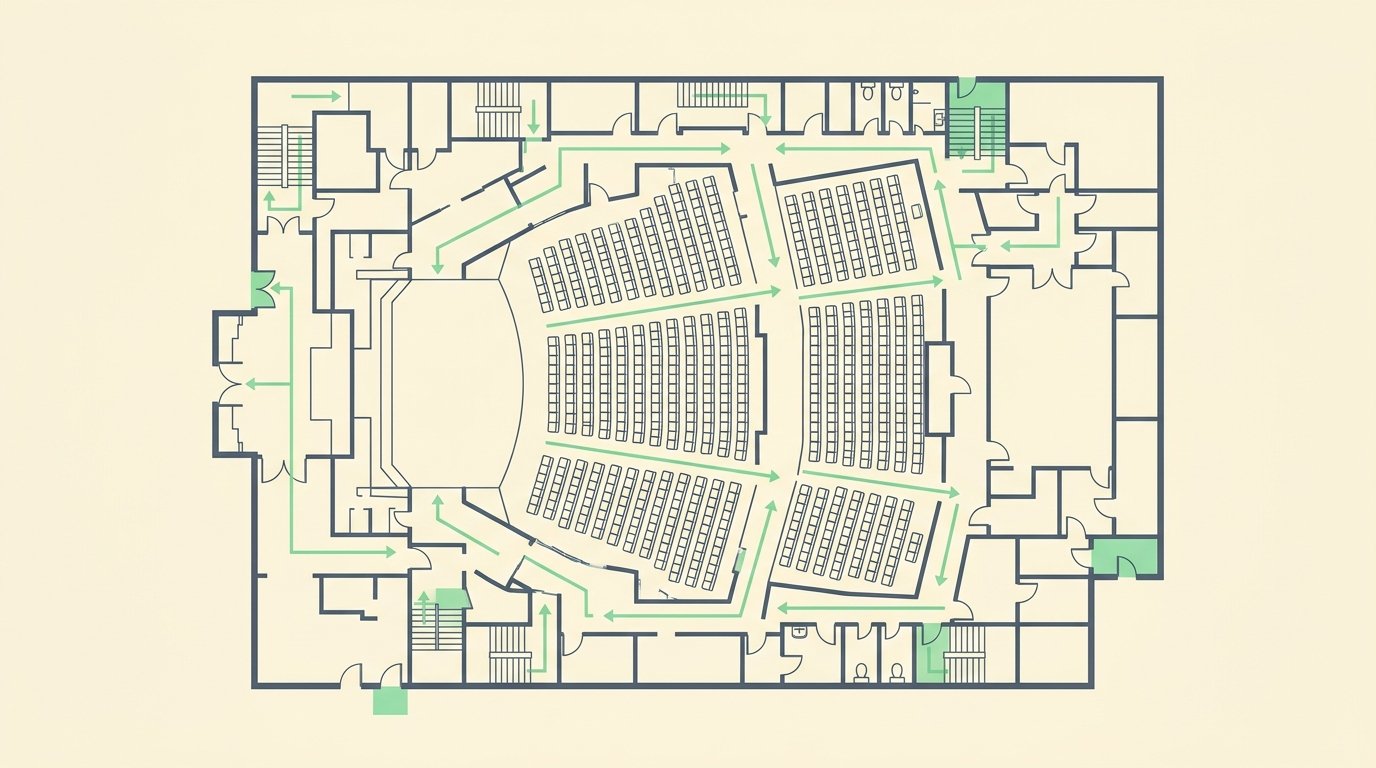
Charity gala ballroom seating layout and stage production setup
Phase 2: Months 8 to 6 (Corporate Sponsorship Drive)
Corporate table sponsorships generate the baseline revenue covering catering and production expenses.
Design tiered sponsorship decks offering tangible promotional benefits:
- Title Sponsor ($25,000): Prominent stage branding, two VIP tables of ten, podium speaking remarks, and dedicated press release mentions.
- Gold Sponsor ($10,000): One VIP table of ten, full-page program tribute, and branded digital bidding app screens.
- Silver Sponsor ($5,000): One reserved table of ten and logo placement across gala signage.
To evaluate box office software tools and reserved seating capabilities, read our buyer guide on box office management software.
Securing underwriting for audio-visual production, catering, and beverage packages ensures all individual ticket sales flow directly into your charitable mission fund.
Corporate table sponsorship tiering and VIP donor perks
Phase 3: Months 5 to 3 (Ticket Sales & Auction Procurement)
Open individual ticket sales and reserved table sales four months before event night.
To calculate net financial margins and tier pricing safety limits, read our step-by-step guide on how to price event tickets.
Procure 15 to 25 high-value silent auction lots and 3 to 5 premier live auction experiences, such as luxury vacation stays, private chef dinners, or exclusive sports packages.
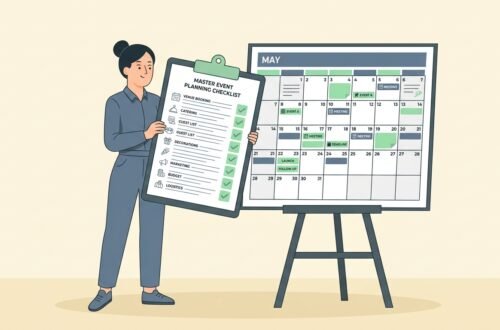
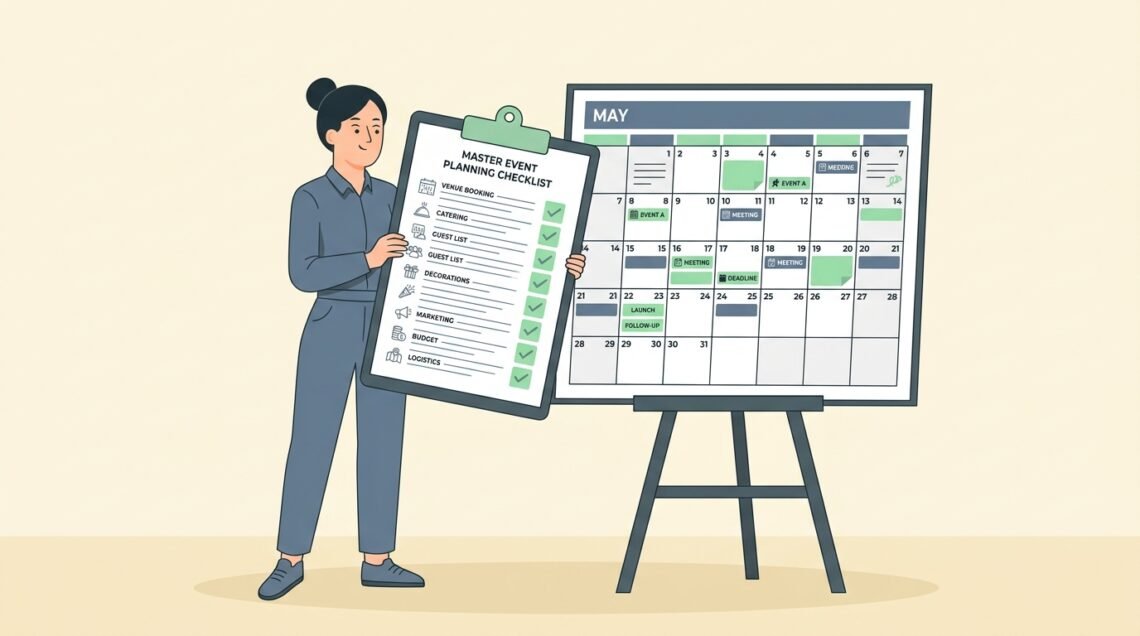
For complete operational checklists covering marketing and volunteer scheduling, consult our master event planning checklist.
According to fundraising benchmarks published in PCMA’s event technology guidelines, digital mobile bidding apps increase total silent auction proceeds by over 38% compared to paper bidding sheets.
Phase 4: Months 2 to 1 (Seating Charts & Fast Check-In Prep)
Finalize table seating charts two weeks before gala night to accommodate special seating requests and corporate host rosters.
For complete door management guidelines and scanner verification workflows, read our operational guide on how to manage event check in.
Configure tablet check-in pods loaded with attendee name lookup and pre-assigned table numbers to eliminate entrance congestion.

Post-gala donor financial reconciliation and tax receipting
Charity Gala Budget Allocation Breakdown
Maintaining strict expense ratios ensures maximum net funds reach charitable programs.
Budget CategoryTarget Budget ShareKey Expense ItemsFundraising Strategy
- Catering & Beverage: 35% to 40%Plated dinner, wine service, hors d’oeuvresSeek corporate beverage sponsor
- Venue & Production: 20% to 25%Ballroom rental, stage lighting, sound, video screensNegotiate non-profit facility discount
- Marketing & Print: 8% to 10%Invitations, program books, step-and-repeat bannersIn-kind corporate print sponsor
- Software & Payment Processing: 3% to 5%Bidding app, ticketing merchant gatewayDeploy donor-covered fee models
- Net Charitable Margin: 25% to 35%+Mission programs, community grantsMaximized via live auction & paddle raise
According to benchmark research from Eventbrite’s venue operational survey, galas that secure underwriting for at least 50% of venue and catering costs achieve an average 68% net fundraising margin.
The Evening Program: Structuring the Run of Show
A crisp, engaging evening program keeps energy high and encourages spontaneous donor giving.
Structure your gala program to build momentum toward the live appeal:
1. 6:00 PM (Cocktail Reception & Silent Auction): Welcome guests with signature drinks, passed appetizers, and interactive silent auction displays.
2. 7:15 PM (Dinner & Welcome Remarks): Transition guests to ballroom seating, serve the first course, and introduce the board chair.
3. 8:00 PM (Mission Video & Keynote): Present an inspiring 3-minute video showing the tangible human impact of donor gifts.
4. 8:20 PM (Live Auction & Direct Paddle Raise): Bring up a professional charity auctioneer to conduct the live auction and fund-a-need paddle raise.
5. 9:15 PM (Live Entertainment & Checkout): Conclude formal programming with musical entertainment while guests settle auction payments via mobile apps.
Frequently Asked Questions
How far in advance should you plan a charity gala?
Begin planning 9 to 12 months before your target event date. This provides sufficient lead time to secure premier weekend banquet dates, recruit committee leaders, and pitch annual corporate sponsorship budgets.
How do you set ticket prices for a charity gala?
Calculate your per-guest cost (catering, venue, and decor) and multiply by 2.5x to 3x. If plated dinner costs $75 per person, set individual tickets at $200 to $250 so each ticket generates meaningful charitable margin.
How many items should be in a charity silent auction?
Aim for 1 silent auction item per 10 attending guests (e.g., 25 to 30 items for a 300-person gala). Too many auction items spreads bidding thin and lowers final closing prices.
How do you handle tax deductions for gala tickets?
Provide an itemized receipt breaking out the Fair Market Value (FMV) of the dinner and entertainment from the tax-deductible donation amount. If a ticket costs $250 and dinner costs $75, the tax-deductible contribution is $175.
Summary
Learning how to organize a charity gala requires disciplined 12-month project management, strategic corporate sponsorship packaging, and digital donor tools.
Lock in venue dates early, secure underwriting sponsors to cover production overhead, and utilize mobile silent auction software to maximize giving. By executing a structured gala roadmap, you deliver an unforgettable evening for guests while raising vital funding for your non-profit mission.
Written by Franklin Alfano, Digital Operations & Ticketing Specialist at Bilieter.