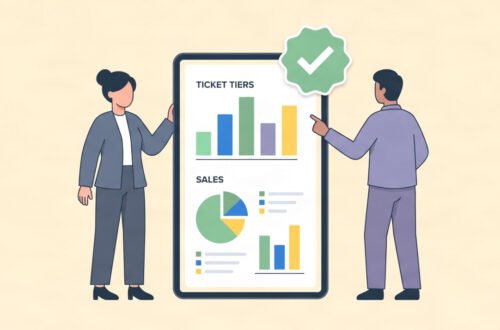

Setting price points for a multi-day music festival, cultural gathering, or outdoor community event requires balancing revenue goals with buyer demand curves.
Setting prices too high early slows initial momentum and reduces advance cash flow needed for venue deposits. Pricing tickets too low leaves substantial profit on the table and creates financial losses when production costs rise. Utilizing proven festival ticket pricing strategies ensures predictable advance sales, early cash flow, and maximum ticket margins.
This strategy playbook analyzes festival pricing structures step by step. You will learn how to design tiered price releases, structure VIP ticket packages, schedule tier price jumps, and handle transaction fee absorption.
Quick Answer: Festival Ticket Pricing Strategies
Effective festival ticket pricing strategies utilize a 4-tier pricing model: Super Early Bird (15% capacity at a 30% discount), Early Bird (25% capacity at a 15% discount), General Admission (45% capacity at base price), and Last Chance (15% capacity at a 15% premium). Festival organizers maximize gross revenue by releasing VIP upgrades priced at 2.5x to 3x general admission rates, scheduling tier increases around lineup announcements, and connecting advance sales to a direct payment gateway for daily cash settlements.
Key Takeaways
- Launch Tiered Pricing Early: Release Super Early Bird passes 6 to 9 months before event dates to fund artist deposits and venue down payments.
- Align Increases with Marketing Milestones: Schedule price jumps immediately following artist lineup announcements or major press releases.
- Price VIP Packages for 300% Margin: Offer premium VIP perks including express gate entry, private lounge access, and exclusive viewing areas.
- Enforce Scarcity Caps: Limit early discount tiers by both ticket count caps and strict calendar expiration dates to create buying urgency.
Core Pillars of Festival Ticket Pricing
A successful festival pricing model aligns ticket releases with your operational cash flow requirements.
1. Multi-Tiered Advance Sales Windows
Tiered pricing incentivizes buyers to purchase passes months before event doors open.
Divide total festival capacity into four distinct release tiers. Each tier features a higher price point as the event date approaches.
When setting up online sales portals and tier inventory limits, review our guide on implementing digital ticketing to ensure server database stability during high-volume ticket drops.
Selling out early discount tiers builds social proof, generates organic word-of-mouth marketing, and secures capital early in your planning cycle.
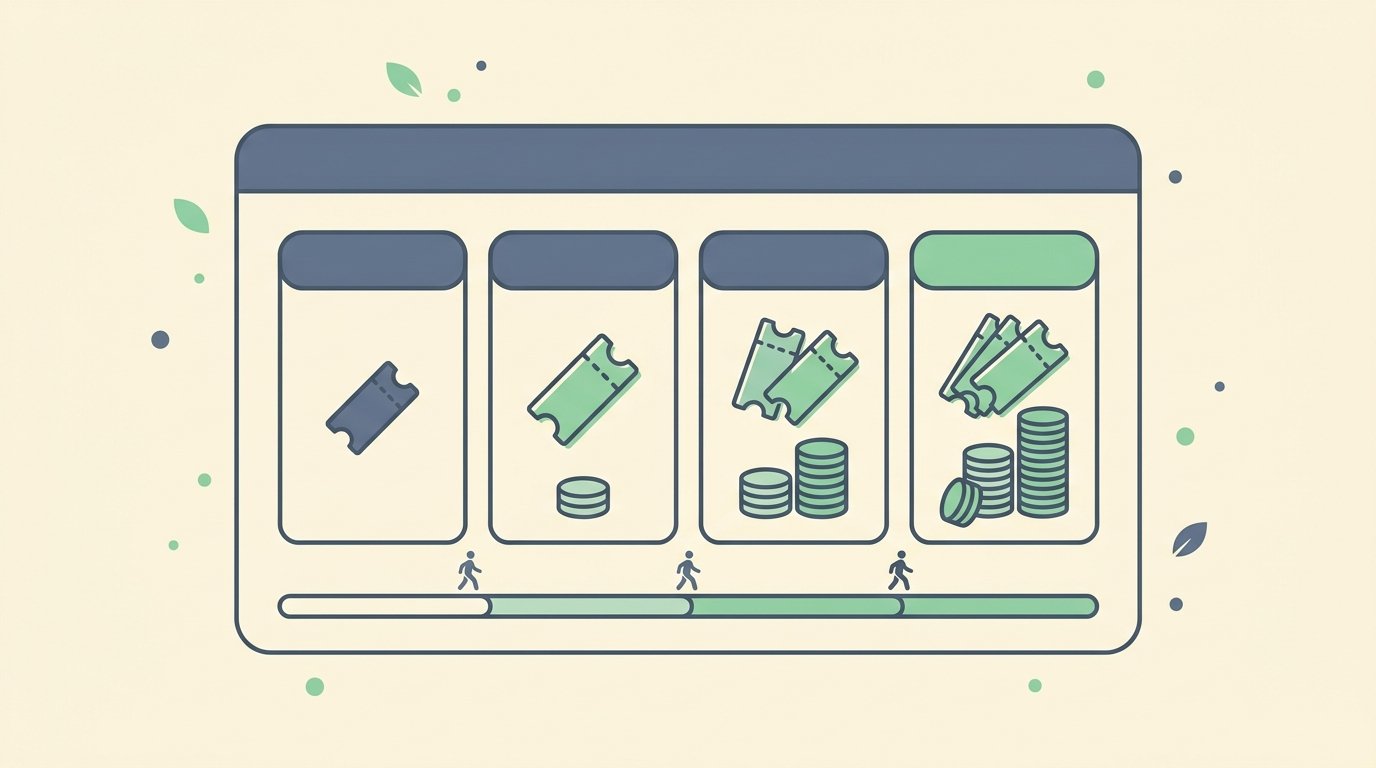
Four-tier festival ticket pricing release calendar schedule
2. High-Margin VIP Experience Packages
VIP ticket packages generate a disproportionate percentage of total festival revenue.
Price VIP passes at 2.5x to 3.5x the base general admission price point. Include operational perks that require low overhead cost for your venue.
To evaluate box office software tools and reserved seating capabilities, read our buyer guide on box office management software.
Provide dedicated VIP entrance lanes, air-conditioned restroom trailers, private bar access, and elevated stage viewing platforms to justify premium pricing.
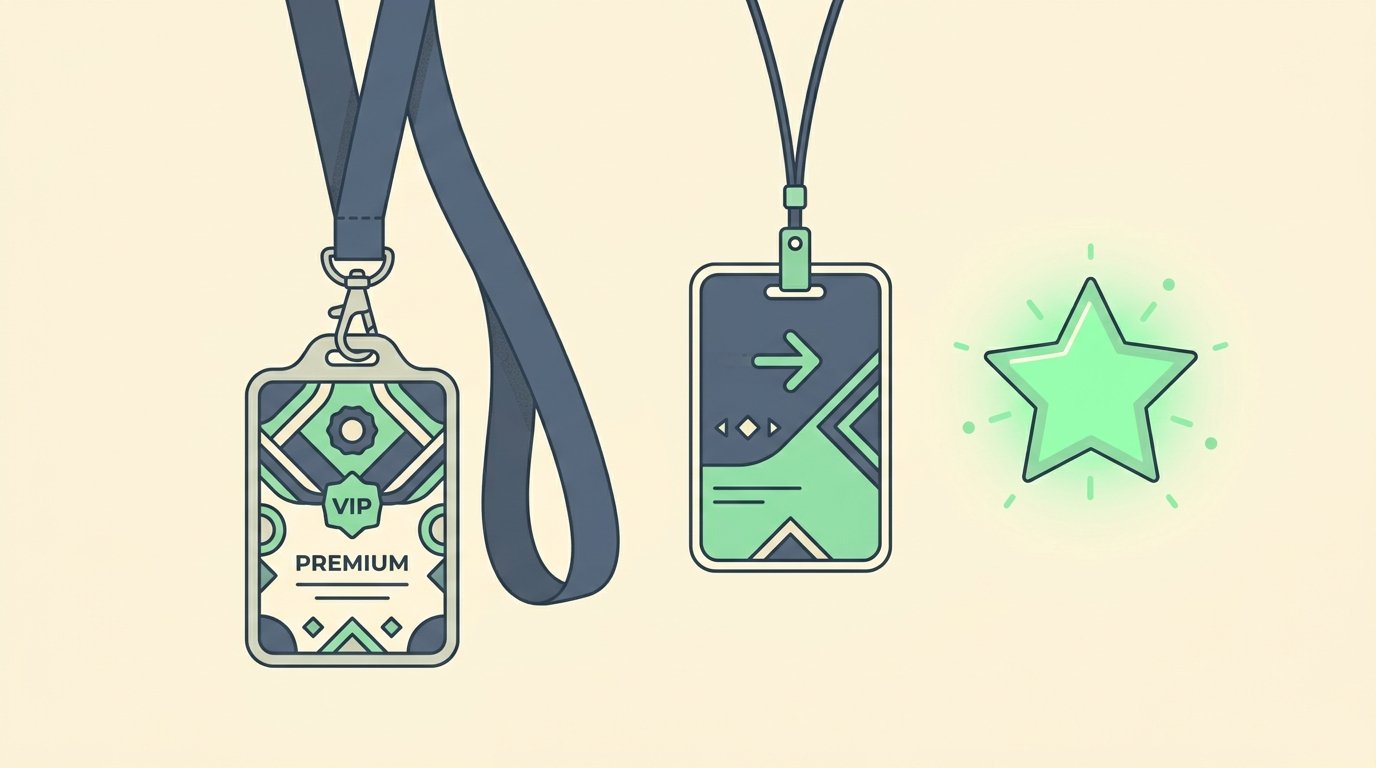
High-yield VIP festival pass package amenities and perks
3. Price Increases Tied to Lineup Drops
Timing price increases around major promotional announcements drives spikes in checkout activity.
Increase ticket prices immediately after announcing headlining artists or releasing daily performance schedules. Notify email subscribers 48 hours before price jumps occur.
For complete operational timelines covering marketing and lineup announcements, consult our master event planning checklist.
Creating fixed deadlines creates buyer urgency, converting hesitant website visitors into confirmed pass holders.
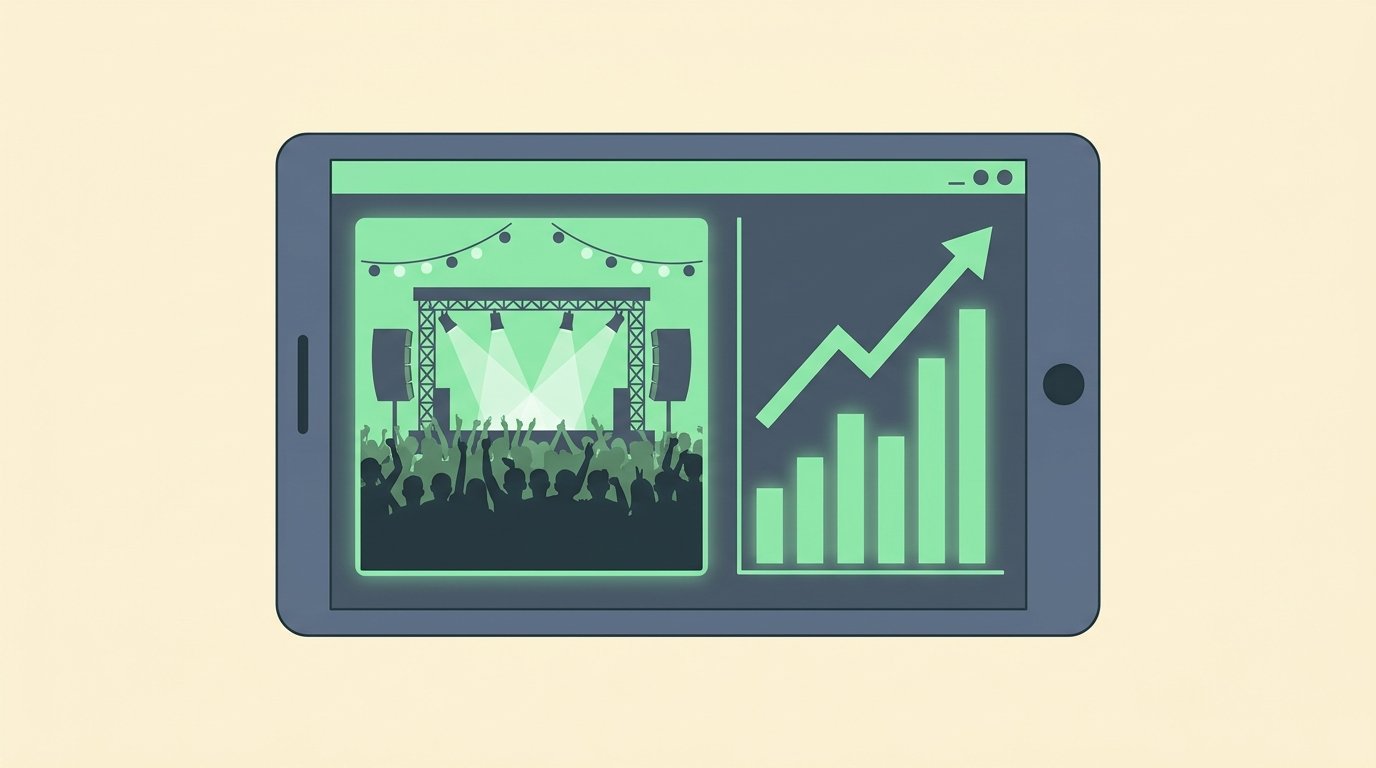
Ticket sales graph spike following festival lineup announcement
4. Fee Transparency and Payment Gateway Rules
Hidden fees added at final checkout cause shopping cart abandonment.
Decide if your organization will absorb transaction fees into the advertised pass price or display fees clearly as an added item on checkout screens. According to venue guidelines published in PCMA’s event technology guidelines, transparent fee pricing increases checkout completion rates by over 24%.
Ensure your ticketing platform routes sales through direct merchant payment gateways like Stripe or PayPal to maintain daily bank payouts.
4-Tier Festival Pricing Framework
Structure your ticket inventory across four release windows to maximize gross sales margin.
Pricing TierCapacity SharePrice Point vs BaseRelease TimingStrategic Purpose
- Super Early Bird15% of capacity30% discount ($70)6 to 9 months outFunds initial venue & artist deposits
- Early Bird25% of capacity15% discount ($85)3 to 5 months outDrives momentum post-lineup drop
- General Admission45% of capacityBase price ($100)1 to 2 months outCaptures core audience demand
- Last Chance / Door15% of capacity15% premium ($115)Final week & gateMonetizes late impulse buyers
According to benchmark research from Eventbrite’s venue operational survey, festivals utilizing at least three advance pricing tiers sell 35% more tickets than events offering a single flat admission price.
How to Structure High-Yield VIP Packages
Designing attractive VIP packages increases your average order value per buyer.
To calculate net financial margins per tier alongside gate scanning costs, read our step-by-step guide on how to price event tickets.
Include these proven high-value VIP amenities:
- Fast-Track Gate Entry: Separate entrance lanes with dedicated check-in operators to eliminate line waiting times.
- Exclusive Lounge Access: Shaded seating areas featuring private bars, complimentary water, and mobile phone charging stations.
- Front-of-Stage Viewing: Premium viewing enclosures positioned directly in front of main performance stages.
- Commemorative Merchandise: Exclusive festival lanyards, cloth wristbands, and limited-edition event posters.
Frequently Asked Questions
When should festival ticket sales open?
Open Super Early Bird sales 6 to 9 months before festival dates for multi-day events. Opening early secures initial working capital to pay artist deposits, venue hold fees, and municipal permit costs.
How many pricing tiers should a festival have?
Use four pricing tiers: Super Early Bird, Early Bird, General Admission, and Last Chance. Limiting tiers to four prevents buyer confusion while creating clear urgency deadlines.
Should I include ticket fees in the base price?
Absorbing fees into the advertised base price works best for premium festivals ($150+ tickets). Displaying itemized fees at checkout works well for budget community events ($20 to $50 tickets).
How do I handle unsold ticket inventory before doors open?
Do not discount general admission tickets during final days. Instead, launch targeted promo codes to partner groups or bundle tickets with merchandise to protect early buyer trust.
Summary
Executing effective festival ticket pricing strategies requires balancing advance tier releases, VIP package margins, and promotional timing.
Set strict capacity limits on early discount tiers, tie price increases to lineup announcements, and maintain full fee transparency at digital checkout. By implementing a structured pricing framework, you secure advance operational capital and maximize festival profit margins.
Written by Franklin Alfano, Digital Operations & Ticketing Specialist at Bilieter.