
Volunteers serve as the operational backbone for festivals, charity galas, sporting tournaments, and community conferences.
Poor volunteer coordination leads to empty gate scanners, confused attendees wandering venue halls, and high mid-shift abandonment rates. Learning how to manage event volunteers with structured shift schedules, practical role training, and clear communication systems ensures a smooth attendee experience while keeping your volunteer team energized.
This operational guide details volunteer management step by step. You will learn how to structure recruitment pipelines, train gate staff on mobile scanner apps, manage meal rotations, and implement volunteer retention strategies.
Quick Answer: How to Manage Event Volunteers
Effective volunteer management requires three operational pillars: structured recruitment with clear role descriptions, micro-shift scheduling (max 4-hour blocks with mandatory 15-minute overlap briefings), and hands-on tool training on mobile ticket scanners and two-way radios. Equip every volunteer with a printed one-page run of show, branded lanyards, dedicated rest areas with snacks, and automated SMS shift check-in notifications.
Key Takeaways
- Limit Shifts to Four Hours: Cap volunteer shifts at four hours to prevent physical fatigue and maintain positive attendee interactions.
- Over-Recruit by Twenty Percent: Always recruit 15% to 20% more volunteers than required to absorb last-minute dropouts and no-shows.
- Run Pre-Event Scanner Drills: Train gate volunteers on offline scanning fallback modes 45 minutes before public doors open.
- Designate a Dedicated Lead: Appoint a single volunteer coordinator responsible for shift check-ins, meal vouchers, and relief breaks.
1. Defining Core Volunteer Roles & Headcount Needs
Calculating exact staffing requirements prevents understaffed entry gates and bloated volunteer areas.
Assign volunteers to specific operational stations based on skill sets:
Gate Check-In & Ticket Scanning
Volunteers greet guests, scan mobile QR codes, apply wristbands, and direct attendees to proper venue wings.
To configure mobile hardware and speed up line throughput, review our guide on how to manage event check in.
Assign two volunteers per entry lane (one dedicated scanner and one credential distributor) to maintain 5-second per-guest check-in velocity.
Information Desk & Wayfinding Ushers
Station volunteers at major hallway intersections, elevator lobbies, and escalator landings to guide attendees.
Wayfinding volunteers should memorize venue maps, restroom locations, water refill stations, and schedule changes.
Green Room & Speaker Hospitality
Volunteers support speaker check-ins, cue presenters backstage, manage slide advancers, and refill hospitality staging tables.
Safety & Crowd Marshals
Marshals monitor emergency exits, maintain clear ADA wheelchair ramps, and report safety hazards directly to venue security staff.
For complete safety protocols and emergency communication chains, reference our guide on event security planning.
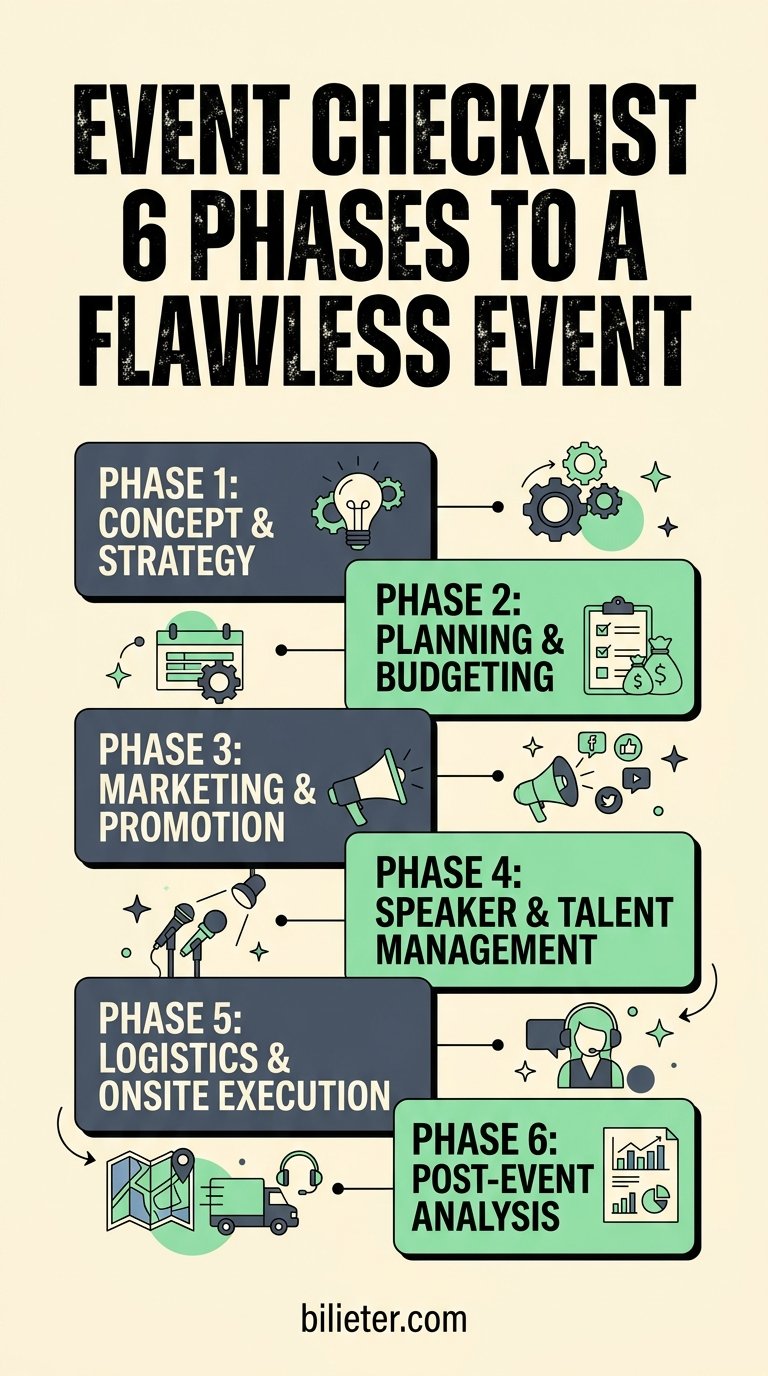
Structured 4-hour volunteer shift scheduling timeline matrix
2. Structured Shift Scheduling Matrix
Fatigue degrades volunteer enthusiasm and increases gate scanning mistakes.
Deploy a staggered 4-hour shift schedule with 15-minute operational transition windows:
Shift BlockOperational HoursPrimary Station FocusHandoff & Break RequirementsMorning Setup Shift07:00 – 11:30Signage setup, badge sorting, scanner syncing30-min lunch voucher at 11:00 handoffPeak Gate Rush Shift11:00 – 15:30High-speed gate check-in, ticket scanning, wayfinding15-min handoff briefing with morning teamAfternoon Operations Shift15:00 – 19:30Session monitoring, room turnover, hospitality restockSnack break and hydration rotationTeardown & Pack-Out Shift19:00 – 22:30Hardware inventory, badge recycling, venue load-outVolunteer appreciation wrap-up and gift bag
3. Hands-On Volunteer Training on Event Technology
Never assume volunteers know how to operate ticketing software or wireless hardware.
Conduct a structured 30-minute pre-doors training session covering three essential tools:
1. **Mobile Ticket Scanner Apps:** Download check-in apps onto volunteer phones or venue devices. Teach volunteers how to scan offline if Wi-Fi disconnects. To review cost-effective software choices, see our guide on free event ticketing systems.
2. **Two-Way Radio Protocol:** Train team leads on radio channel discipline, push-to-talk etiquette, and emergency medical codewords.
3. **Badge Printer Operation:** Demonstrate how to clear label jams and reload direct thermal badge stock quickly. For full printer hardware setup guidelines, read our guide on event badge printing setup.
According to operational research published by VolunteerMatch’s non-profit staffing survey, events providing hands-on technology rehearsals experience 62% fewer gate technical escalations.

Hands-on gate scanner app and two-way radio training
4. On-Site Volunteer Care and Motivation
Treating volunteers with respect and genuine appreciation ensures high energy throughout long event days.
Provide these essential on-site resources:
- **Dedicated Volunteer HQ Room:** Set up a secure, quiet rest area away from public crowds where volunteers can leave personal bags, charge phones, and rest between shifts.
- **Continuous Hydration & Healthy Meals:** Supply bottled water, electrolyte packets, fruit, and hot catered meals for shifts exceeding 4 hours.
- **Distinct Branded Apparel:** Issue high-visibility t-shirts and custom lanyards so attendees can easily spot support staff.
- **Clear Chain of Command:** Ensure every volunteer knows the exact name and phone number of their direct zone captain.
5. Post-Event Recognition and Volunteer Retention
Building a loyal volunteer database reduces future recruitment costs for recurring events.
Execute these post-event retention steps within 48 hours:
1. **Send Personalized Thank You Emails:** Acknowledge specific team achievements and share aggregate attendance and fundraising numbers.
2. **Provide Verified Community Service Hours:** Issue digital certificates for high school and university students tracking volunteer service.
3. **Distribute Early Access Perks:** Offer complimentary tickets or VIP access passes to future concerts and festivals for top performers.
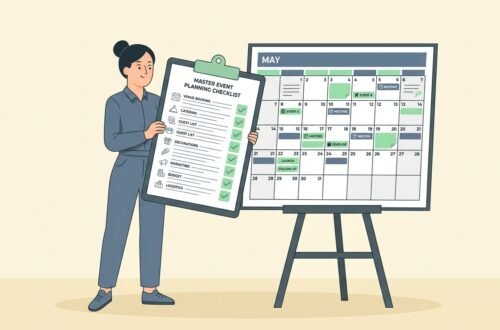
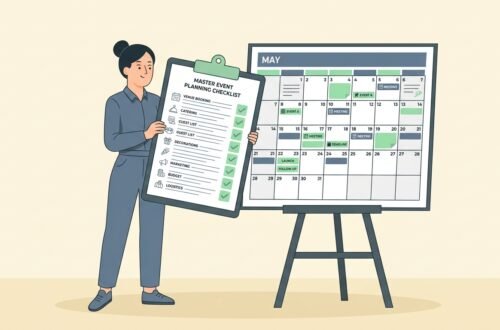
To review master event timelines from initial planning to post-event wrap-up, download our master event planning checklist.
Frequently Asked Questions
How many volunteers do I need for my event?
A standard rule of thumb is 1 volunteer per 50 to 75 attendees for conferences, or 1 volunteer per 100 attendees for festivals. Always recruit 20% extra to cover no-shows.
How do I handle volunteer no-shows on event day?
Maintain an on-call floater team of 3 to 5 flex volunteers who can step into high-priority positions like ticket scanning or badge printing immediately.
Should volunteers be required to sign liability waivers?
Yes. Require all volunteers to sign digital liability waivers and photo release forms during their initial online registration.
What is the recommended length for a volunteer shift?
Four hours is the standard shift length. Shifts longer than five hours lead to physical fatigue and lower customer service quality.
Summary
Learning how to manage event volunteers transforms enthusiastic supporters into a coordinated operational powerhouse.
Define clear role responsibilities, cap shifts at four hours, conduct practical hardware training, and provide dedicated rest areas. When volunteers feel supported and valued, they deliver outstanding service that elevates your entire event.
Written by Franklin Alfano, Digital Operations & Ticketing Specialist at Bilieter.