

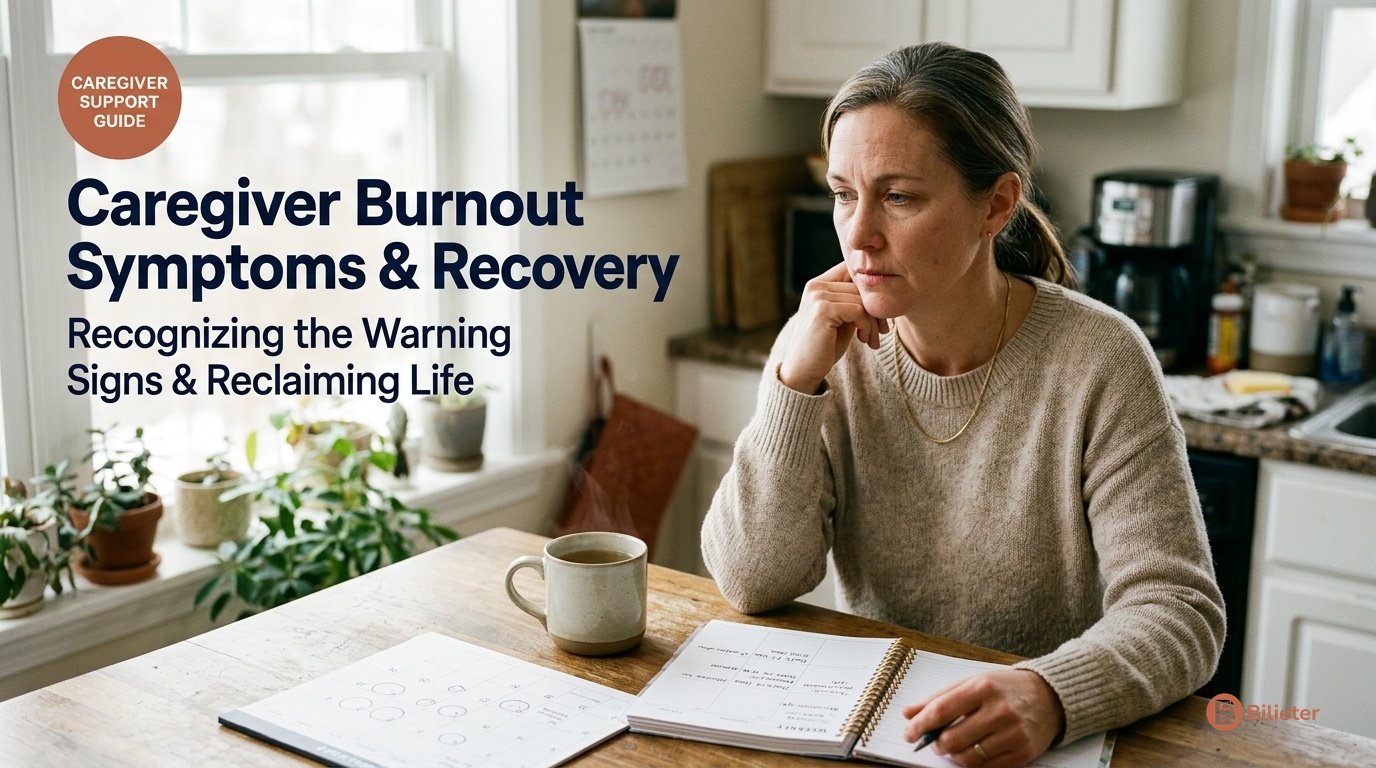
There is an unspoken emotional trap in family caregiving that ensnares millions of adult children every year. It starts with loving devotion: preparing a few hot meals each week, driving an aging mother to cardiology checkups, or balancing an elderly father’s monthly bank statements. But as frailty deepens or cognitive decline advances, those small acts of service slowly consume your entire life.
Before you realize what has happened, you are sleeping with your phone pressed against your ear, skipping your own medical appointments, neglecting your marriage, and feeling a suffocating wave of anxiety every time the doorbell rings. In medical circles, this state of total physical, mental, and emotional depletion is called caregiver burnout. It is not a sign of personal weakness or a lack of love. It is a predictable neurobiological reaction to sustained, unassisted stress, and learning to identify its symptoms is the first step toward lasting recovery.
Quick Answer: Caregiver burnout is a state of physical, emotional, and mental exhaustion caused by the chronic demands of caring for an aging or ill parent. Primary symptoms include severe unrefreshing fatigue, emotional numbness or flashes of rage, frequent somatic illnesses (tension headaches, digestive distress, weakened immunity), social withdrawal, sleep disruption, and pervasive guilt. Clinical recovery requires a four-part intervention: scheduling immediate professional respite care (in-home aides or adult day programs), setting firm verbal boundary scripts with siblings, delegating medical administration tasks, and recognizing that transitioning a parent to assisted living or memory care is often necessary to protect both the caregiver’s life and the parent’s physical safety.
Key Takeaways for Families
- Burnout Is a Medical Condition: Chronic caregiving stress elevates cortisol and weakens immune function, causing higher rates of cardiovascular disease and clinical depression.
- Respite Is Not a Luxury: Utilizing professional in-home aides, adult day health centers, or short-term residential respite stays is an essential safety requirement.
- Sibling Duty Rebalancing: Vague pleas for help fail; caregivers must assign concrete, non-negotiable tasks (such as paying bills or covering specific weekends) using direct scripts.
- Transitioning Care Is Not Failure: Moving an aging parent to memory care or assisted living preserves your emotional role as a loving child rather than an exhausted, resentful nurse.
The 3 Stages of Caregiver Stress: From Strain to Collapse
Caregiver burnout does not happen overnight. According to research from the Family Caregiver Alliance, more than 53 million Americans provide unpaid care, and progression toward clinical exhaustion follows three distinct physiological phases:
Stage 1: Caregiver Stress (The Vigilance Phase)
In this early phase, you feel responsible for managing an aging parent’s physical environment. You experience periodic stress when emergencies occur (such as a sudden fall or a medication mix-up), but you still bounce back quickly after resting. Your own career, hobbies, and social relationships remain mostly functional, though mental worry begins to occupy your spare thoughts.
Stage 2: Caregiver Strain (The Depletion Phase)
As care needs multiply, stress becomes continuous. You begin trading your own sleep to manage laundry, pill organizers, and late-night calls. You notice persistent physical tension in your neck and shoulders, frequent headaches, and irritability with your spouse or children and you start canceling social plans because explaining your parent’s condition feels too exhausting.
Stage 3: Clinical Caregiver Burnout (The Depersonalization Phase)
At this critical tipping point, your physiological reserves are completely spent. You experience profound apathy, emotional numbness, or sudden bouts of uncontrollable weeping. You may harbor intense resentment toward your parent, followed immediately by crushing waves of guilt. The immune system falters, sleep architecture breaks down, and you feel trapped in an endless loop with no exit.
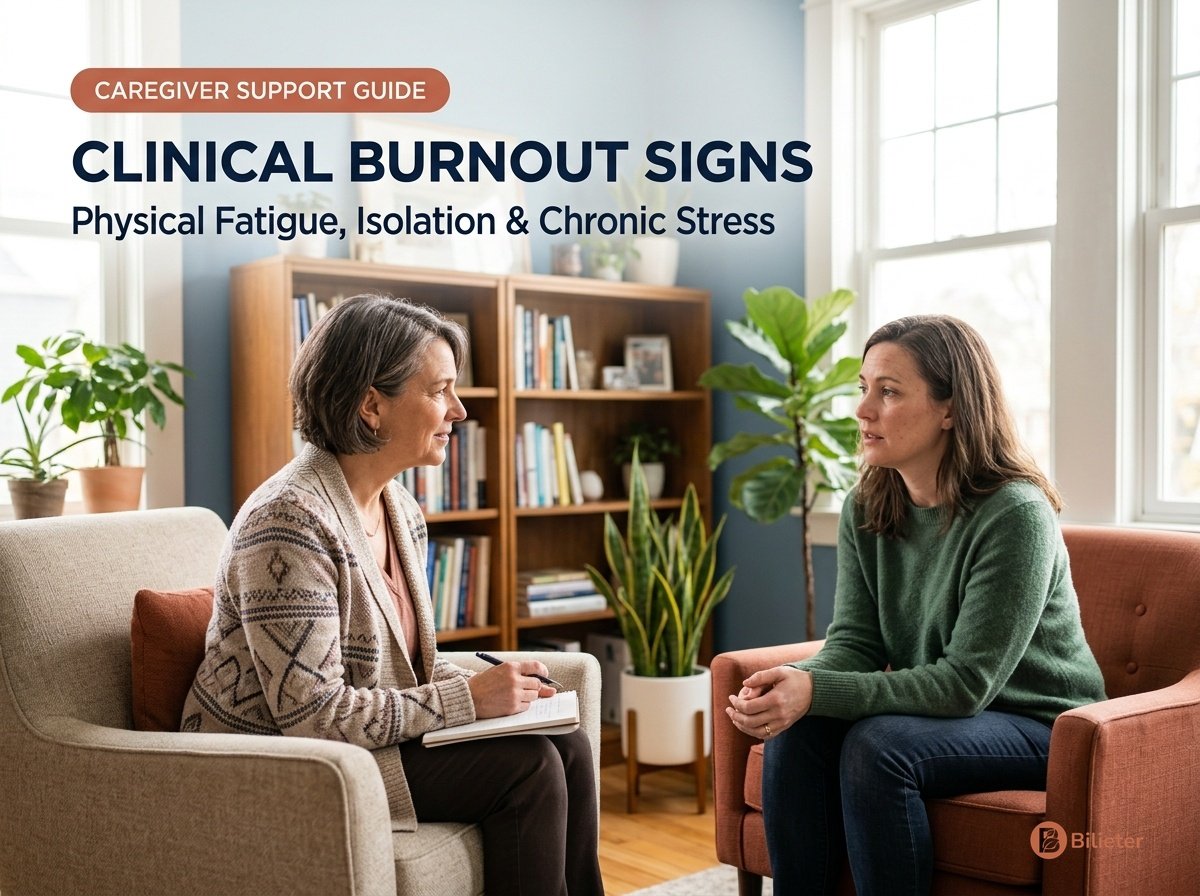
Figure 1: Professional counseling and caregiver support groups provide safe spaces to process anticipatory grief, establish boundaries, and overcome guilt.
7 Warning Symptoms of Caregiver Burnout
How do you know if you are experiencing normal situational fatigue or clinical burnout? If you recognize three or more of the following warning signs in your daily life, your body is sounding an urgent alarm:
1. Chronic Exhaustion That Sleep Does Not Cure
You wake up after eight hours of sleep feeling just as exhausted as when your head hit the pillow. Your physical energy feels perpetually drained, and simple daily tasks like preparing breakfast or answering an email feel like moving mountains.
2. Emotional Numbness and Compassion Fatigue
You find yourself emotionally detached from your parent’s struggles. Where you once felt gentle patience, you now feel irritation, cold detachment, or sudden bursts of anger over minor requests, followed by deep self-reproach.
3. Frequent Physical Illness and Weakened Immunity
Sustained high cortisol levels suppress your body’s white blood cell production. Caregivers experiencing burnout frequently suffer from recurring respiratory infections, stomach ulcers, digestive flare-ups, and sudden flare-ups of chronic autoimmune conditions.
4. Total Social Isolation
You withdraw completely from close friends, community activities, and leisure interests. You feel that nobody outside the eldercare journey understands your burden, and maintaining friendships feels like an impossible chore.
5. Nighttime Hyper-Vigilance and Insomnia
Even when you are physically exhausted, your mind refuses to switch off. You lie awake listening for floorboards creaking, anticipating a phone call from the hospital, or reviewing endless financial spreadsheets in your head.
6. Neglecting Your Own Healthcare
You routinely cancel your own dental checkups, mammograms, or physical therapy sessions because “there is no time.” You skip healthy meals in favor of fast food or coffee, and your own chronic health conditions go unmonitored.
7. Pervasive Guilt and Helplessness
You feel a persistent, irrational belief that no matter how much you sacrifice, it is never enough. You feel guilty when you are caring for your parent, and you feel guilty when you step away for two hours to spend time with your children.
The Zarit Burden Assessment Matrix
The Zarit Burden Interview (ZBI) is the gold-standard clinical self-assessment tool used by medical social workers to measure caregiver strain. Use the diagnostic matrix below to determine your risk tier and review recommended clinical interventions.
| Burnout Stage | Zarit Score Range | Daily Living Impact | Physical Health Risk | Required Clinical Action |
|---|---|---|---|---|
| Mild Strain | 0 to 20 Points | Occasional worry; daily schedule intact. | Low risk | Establish clear personal boundaries; set up weekly self-care blocks. |
| Moderate Strain | 21 to 40 Points | Career friction; social life canceled; sleep interrupted. | Moderate risk | Hire part-time in-home aides (10-15 hrs/wk); enroll in support group. |
| Severe Strain | 41 to 60 Points | Chronic anxiety; marriage conflict; constant exhaustion. | High clinical risk | Mandatory respite break; adult day care; delegate sibling duties. |
| Total Burnout | 61 to 88 Points | Physical breakdown; depression; inability to care safely. | Critical emergency | Immediate facility placement evaluation; medical crisis intervention. |

Figure 2: Professional in-home respite aides allow family caregivers to step away, recharge mental reserves, and preserve personal health.
The 4-Pillar Caregiver Recovery Roadmap
Recovering from burnout does not require abandoning your parent. It requires shifting from an unsustainable single-person care model to a distributed, professional care network.
Pillar 1: Respite Care Solutions
Respite care provides temporary, planned relief for primary caregivers. You cannot heal while remaining on 24-hour call. Explore these three tiers of respite support:
- In-Home Respite Aides: Licensed home care agencies provide trained nursing aides for 4 to 8-hour shifts. This allows you to leave the house, exercise, run personal errands, or sleep without fear.
- Adult Day Health Centers: Community adult day programs offer structured social activities, hot meals, physical therapy, and medication management from 8:00 AM to 5:00 PM on weekdays, providing working adult children with consistent daytime relief.
- Short-Term Residential Respite: Most assisted living and memory care communities offer furnished respite apartments for stays ranging from 5 to 30 days. This gives family caregivers time to take a true vacation, recover from personal surgery, or rest after an acute medical crisis.
Pillar 2: Sibling Duty Realignment and Boundary Scripts
A primary driver of caregiver rage is the uninvolved sibling who lives out of town, offers unsolicited criticism over the phone, and contributes zero practical labor. Vague pleas like “I need more help” almost always fail. You must use direct, specific scripts:
“I am at my absolute physical limit caring for Mom. I cannot continue handling every doctor visit, meal, and pharmacy trip alone. Here are the two options: either you take over Mom’s financial management and prescription deliveries starting next week, or we hire an outside home care agency at $800 a month to cover that labor. Which of those two works best for you?”
Notice how this script removes emotional negotiation. It defines the problem, presents two concrete choices, and holds the sibling accountable.
Pillar 3: Technological and Community Delegation
Automate administrative tasks that drain mental bandwidth:
- Automated Medication Dispensers: Devices like Hero or MedMinder dispense pre-sorted pills at exact times with audio alerts and lock mechanisms, eliminating daily phone calls to verify pill passes.
- Grocery and Meal Deliveries: Set up recurring weekly deliveries for groceries, incontinence supplies, and pre-cooked senior meals.
- Aging-in-Place Retrofits: Fall risks cause constant caregiver panic. Follow our room-by-room guide on fall prevention for elderly at home to install bathroom grab bars and eliminate hazard zones.
Pillar 4: Therapy and Overcoming Caregiver Guilt
Guilt is the toxic fuel that keeps caregivers trapped in burnout. Many adult children believe that moving a parent to a residential community represents a betrayal of trust. In reality, when your own physical health collapses, your parent is left with zero safety net.
If your loved one is showing progressive memory loss, consult our clinical breakdown on the stages of dementia timeline to understand where their functional capabilities stand.
When physical frailty or memory loss creates continuous danger, explore our unbiased analysis of assisted living vs memory care, and learn how Medicaid waivers can offset costs in our guide on does Medicare cover assisted living.
Frequently Asked Questions
What is the fastest way to recover from caregiver burnout?
The fastest intervention is securing immediate respite care to take yourself off duty for a minimum of 48 to 72 continuous hours. Restoring sleep, stepping away from caregiving logistics, and consulting a physician or counselor to evaluate clinical depression and physical exhaustion provide the foundation for recovery.
What is the difference between caregiver stress and caregiver burnout?
Caregiver stress is an acute reaction to specific challenges where you still feel capable and motivated once the immediate crisis passes. Caregiver burnout is chronic emotional and physical exhaustion where you feel apathetic, hopeless, emotionally detached, and unable to function effectively in your daily life.
How do you deal with caregiver guilt when placing a parent in care?
Reframe your perspective from quantity of care to quality of relationship. Transitioning a parent to a professional senior living community transfers the exhausting physical labor of toileting, bathing, and medication management to paid staff, allowing you to return to your natural role as a loving son or daughter.
Does Medicare or Medicaid pay for caregiver respite care?
Original Medicare does not cover routine in-home respite care or adult day centers, though it covers up to five consecutive days of inpatient respite care for seniors enrolled in Medicare-certified hospice. However, many state Medicaid Home and Community-Based Services (HCBS) waivers provide monthly voucher allowances specifically to hire respite caregivers.
How do you split caregiving duties with uninvolved siblings?
Call a formal family meeting with a written list of all daily, weekly, and monthly tasks. Break care into distinct categories: hands-on physical care, financial management, legal coordination, and home maintenance. Assign specific, measurable duties to each sibling rather than asking for general help.
Mental Health & Safety Disclaimer: The information provided in this guide is for educational and supportive purposes only. It does not replace professional clinical evaluation, psychiatric treatment, or medical diagnosis. If you are experiencing overwhelming depression or thoughts of self-harm, please contact your physician or dial the National Crisis Lifeline at 988 immediately.
Written by Franklin Alfano, Senior Care & Eldercare Operations Consultant at Bilieter. Franklin reviews family caregiving systems, respite care frameworks, and senior living transitions to help adult children care for aging parents without losing themselves.
Learn more about our mission in About Us, review our rigorous Editorial Policy & Care Standards, read our Terms of Use & Senior Care Disclaimer, or reach out directly through our Contact Us page.