

Receiving a dementia or Alzheimer’s disease diagnosis for an aging parent brings an immediate sense of emotional vertigo. In the days following the initial doctor consultation, the single question that haunts every adult child is simple: What comes next, and how much time do we have?
Because progressive neurodegenerative conditions unfold gradually, family members often struggle to gauge where their loved one stands on the disease trajectory. While everyday conversation separates illness into vague terms like “early” or “late” memory loss, medical specialists rely on precise functional benchmarks. Understanding the clinical stages of dementia timeline removes terrifying guesswork, allowing families to protect finances, plan legal protections, and make compassionate care transitions long before emergencies strike.
Quick Answer: The stages of dementia timeline typically spans four to twelve years from initial clinical diagnosis to late-stage decline, structured medically across the seven-stage Functional Assessment Staging Tool (FAST). The clinical progression divides into three primary phases: Early-Stage (FAST Stages 1-3, mild forgetfulness and subtle word-finding lapses lasting two to seven years), Middle-Stage (FAST Stages 4-5, loss of complex tasks like managing finances, cooking, and choosing weather-appropriate clothing lasting two to four years), and Late-Stage (FAST Stages 6-7, extensive hands-on help required for dressing, bathing, walking, and speech lasting one to three years). Recognizing these clinical milestones helps families execute legal documents early, adapt home environments, and transition to memory care before acute safety crises emerge.
Key Takeaways for Families
- Clinical Measurement Benchmark: The Reisberg FAST scale (Stages 1 through 7) is the worldwide clinical standard for tracking functional and cognitive decline.
- Early Legal Window (Stages 3-4): Durable financial powers of attorney and healthcare directives must be executed during mild impairment while legal capacity remains intact.
- The Memory Care Tipping Point (Stage 6): When an aging parent requires personal assistance with dressing, bathing, and incontinence management (Stage 6), round-the-clock memory care becomes medically necessary.
- Medicare Hospice Criteria (Stage 7c+): Palliative hospice benefits require progression to Stage 7c (inability to walk without physical assistance) coupled with acute secondary clinical conditions.
The Clinical Framework: 3 Broad Phases vs. 7 FAST Stages
In clinical practice, geriatricians and neurologists use the Functional Assessment Staging Tool (FAST), developed by Dr. Barry Reisberg at the New York University School of Medicine. While popular media often describes dementia in three broad buckets (early, middle, and late), the 7-stage FAST system measures the exact loss of executive function and daily living capabilities.
A fundamental principle of the FAST scale is the concept of retrogenesis: the biological mechanism where dementia reverses the normal developmental sequence of human childhood. Capabilities acquired latest in childhood (managing money, driving, complex job tasks) are lost first, while primitive reflexes acquired in infancy (grasping, swallowing, head control) are retained until the final stages.
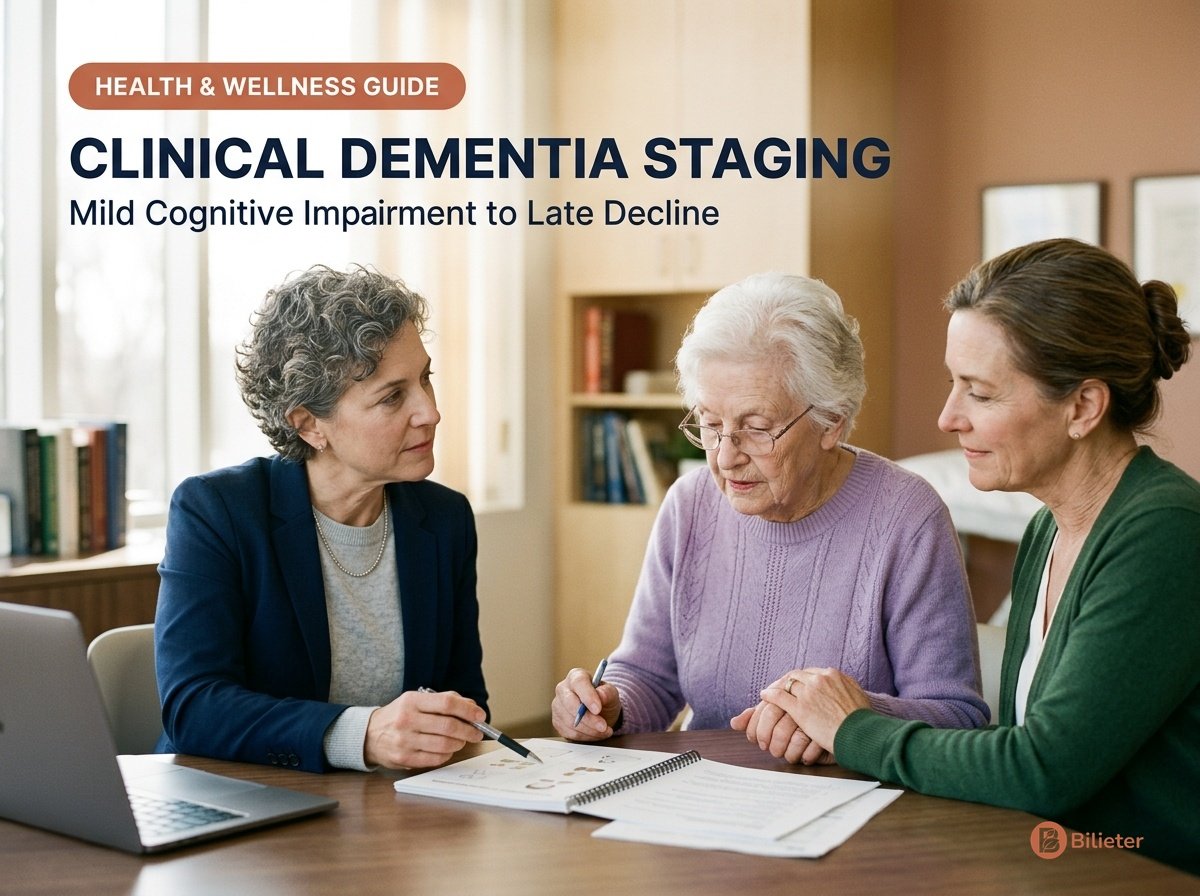 Figure 1: Standardized cognitive evaluations and neurological staging help families establish clear medical baselines and timely legal protections.
Phase 1: Early-Stage Dementia (FAST Stages 1 Through 3)
The early phase represents the subtle transition from normal brain aging to measurable mild impairment. Many seniors function independently for years during this window, often compensating with lists and calendars.
Stage 1: Normal Adult Functioning (No Cognitive Decline)
In Stage 1, an individual shows zero subjective memory complaints and exhibits completely normal objective performance during clinical interviews and neurological testing. Brain pathology may begin accumulating at microscopic levels, but outward functional capacity remains fully intact.
Stage 2: Normal Age-Related Forgetfulness (Subjective Memory Lapses)
This stage is common among adults aged 65 and older. Seniors report subjective memory lapses, such as forgetting where they placed car keys or struggling momentarily to recall familiar names. These lapses are benign: the person remembers the forgotten information later, and friends, coworkers, and standardized mental status exams detect no functional impairment. No specialized care is needed.
Stage 3: Mild Cognitive Impairment (MCI)
Average Duration: 2 to 7 years.
Stage 3 represents the critical turning point where subtle cognitive deficits become noticeable to close family members and employers. Classic indicators include:
- Getting lost when driving to unfamiliar locations.
- Noticeable word-finding pauses during conversations.
- Retaining little information when reading a chapter or newspaper article.
- Misplacing objects of valuable importance (such as wallets or legal papers).
- Co-workers noticing decreased concentration and planning performance at work.
Crucial Family Action: Stage 3 is the most critical window for estate and legal planning. While your parent retains full legal testamentary capacity, work with an elder law attorney to establish Durable Power of Attorney, Healthcare Proxy, and Living Wills.
Phase 2: Middle-Stage Dementia (FAST Stages 4 and 5)
Middle-stage dementia is the longest and most demanding phase for primary family caregivers. During these years, seniors lose the ability to live safely without daily supervision.
Stage 4: Mild Dementia (Moderate Cognitive Decline)
Average Duration: Approximately 2 years.
At Stage 4, a trained physician can clearly identify dementia through clinical interviews and cognitive tests. The hallmark of Stage 4 is the loss of Instrumental Activities of Daily Living (IADLs):
- Financial Inability: Inability to balance a checkbook, pay utility bills, or manage a household budget. Families often discover stacks of unpaid notices or unusual financial donations.
- Complex Task Failure: Inability to plan and prepare a multi-dish dinner for guests or follow multi-step recipes.
- Decreased Knowledge of Current Events: Difficulty recalling recent personal history or seasonal weather.
- Denial and Flattened Affect: Seniors frequently withdraw from complex social situations as a protective coping mechanism.
At Stage 4, driving privileges must be medically evaluated and revoked to prevent catastrophic traffic accidents. Home assistance or standard assisted living is typically introduced here.
Stage 5: Moderate Dementia (Moderately Severe Decline)
Average Duration: Approximately 1.5 years.
In Stage 5, independent community living is no longer possible. A senior in Stage 5 requires daily assistance to survive. The primary diagnostic milestone of Stage 5 is the inability to choose proper clothing for the day or season (for example, putting on a heavy winter coat in July or wearing mismatched shoes).
Other characteristic symptoms of Stage 5 include:
- Inability to recall personal phone numbers, home addresses, or high schools attended.
- Disorientation to time, day of the week, or season.
- Difficulty performing basic mental calculations (such as counting backward from 20 by 2s).
- Intact personal identity: The person still knows their own name and almost always recognizes their spouse and children.
- Independent eating and using the toilet remain preserved at this stage.
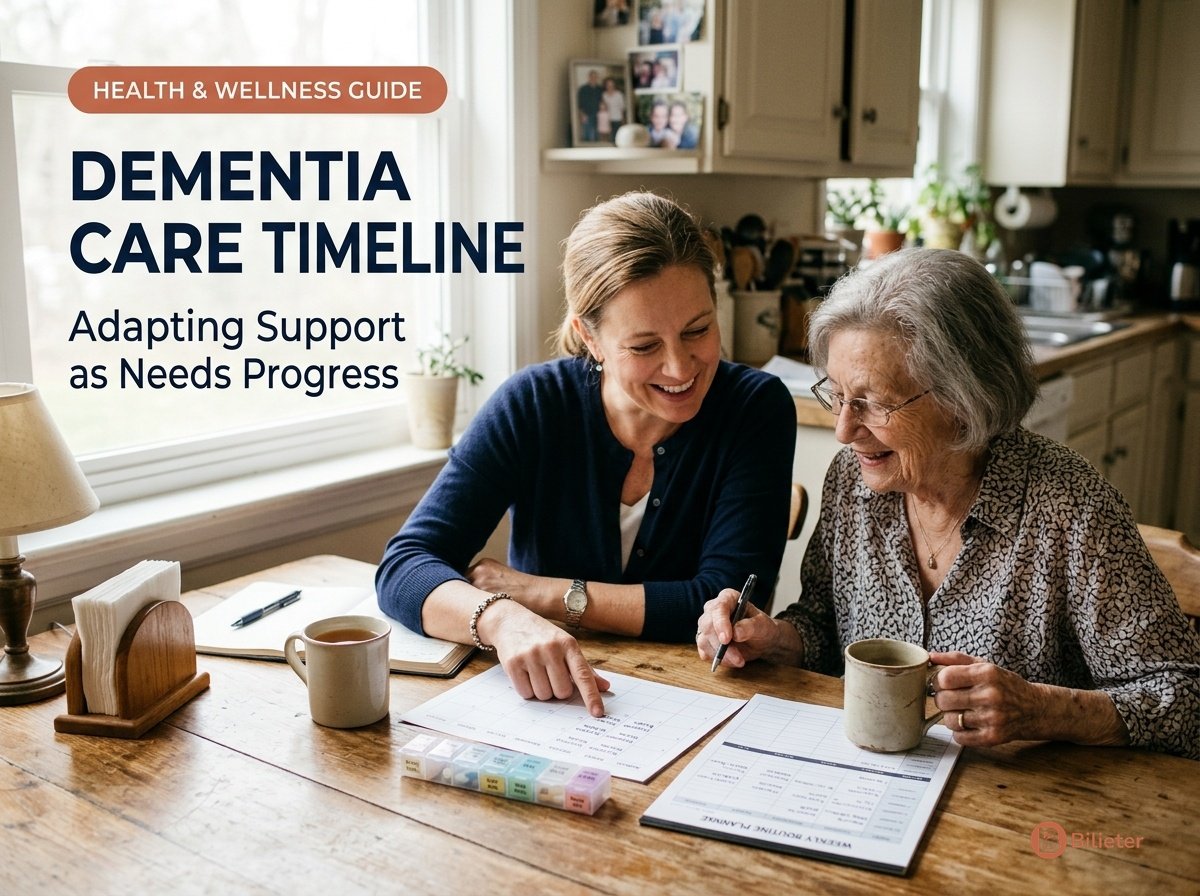 Figure 2: Daily routine visual schedules, structured medication management, and calming environments reduce anxiety as cognitive needs evolve.
Phase 3: Late-Stage Dementia (FAST Stages 6 and 7)
Late-stage dementia brings profound physical decline. The brain gradually loses control over bodily movements, motor skills, and involuntary autonomic functions.
Stage 6: Moderately Severe Dementia (Severe Cognitive Decline)
Average Duration: Approximately 2 to 2.5 years.
Stage 6 represents the primary clinical trigger for memory care placement. In this stage, cognitive decline directly impairs basic Activities of Daily Living (ADLs). The Reisberg scale divides Stage 6 into five specific chronological substages:
- Stage 6a (Dressing Difficulty): Inability to put on clothes properly without guidance (putting underwear over pants, fastening buttons incorrectly).
- Stage 6b (Bathing Inability): Inability to wash independently. Strong resistance to entering tubs or showers often develops due to water phobia and depth confusion.
- Stage 6c (Mechanics of Toileting): Forgetting to wipe, flush, or adjust clothing after using the toilet.
- Stage 6d (Urinary Incontinence): Loss of bladder control occurs approximately 8 to 12 months into Stage 6.
- Stage 6e (Fecal Incontinence): Loss of bowel control follows urinary incontinence.
Alongside physical deficits, Stage 6 brings severe behavioral challenges: late-day sundowning agitation, repetitive pacing, sleep cycle reversals, and high elopement risk (wandering out of the house). If your parent displays wandering or aggressive agitation, read our operational guide on when is it time for memory care to review safety locks and architectural features.
Stage 7: Severe Dementia (Very Severe Decline)
Average Duration: 1 to 2.5 years.
Stage 7 is the final, end-stage phase of dementia. Motor and verbal capabilities are systematically lost in reverse developmental order:
- Stage 7a (Verbal Limitation): Spoken vocabulary declines to roughly six intelligible words over the course of a day.
- Stage 7b (Single-Word Vocabulary): Verbal communication drops to a single intelligible word or sound (such as “yes” or “okay”).
- Stage 7c (Loss of Ambulation): Inability to walk without physical human support. Wheelchairs become necessary.
- Stage 7d (Loss of Seated Posture): Inability to sit up in a chair without lateral pillows or specialized positioning devices.
- Stage 7e (Loss of Facial Smile): Loss of the neurological ability to smile or make intentional facial expressions.
- Stage 7f (Loss of Head Support and Swallowing): Inability to hold the head erect independently. Swallowing reflexes fail (dysphagia), creating significant aspiration pneumonia risks.
When an aging parent reaches Stage 7c and exhibits recurrent infections or weight loss, Medicare-covered hospice care provides invaluable clinical comfort and palliative family support.
Clinical FAST Progression Matrix
The table below summarizes the complete 7-stage progression timeline, matching clinical symptoms with recommended family actions and care environments.
| FAST Stage | Clinical Category | Average Duration | Functional Milestones & Deficits | Optimal Care Setting & Priority |
|---|---|---|---|---|
| Stage 1 | Normal Adult | Lifelong | No functional decline; normal neurological testing. | Independent living; healthy lifestyle habits. |
| Stage 2 | Normal Aged Adult | Normal Aging | Subjective memory slips; misplacing keys; forgetting names. | Independent living; memory compensation lists. |
| Stage 3 | Mild Cognitive Impairment | 2 to 7 Years | Getting lost driving; word finding gaps; lower job focus. | Home setting; execute legal POA and estate planning. |
| Stage 4 | Mild Dementia | ~2 Years | Cannot balance checkbook; cooking errors; social withdrawal. | In-home care aides or assisted living; driving cessation. |
| Stage 5 | Moderate Dementia | ~1.5 Years | Cannot choose weather clothing; address confusion; needs daily aide. | Assisted living community; daily routine structure. |
| Stage 6 | Moderately Severe | 2 to 2.5 Years | Dressing, bathing, toileting failures; incontinence; wandering. | Secure memory care facility; 24/7 locked perimeters. |
| Stage 7 | Severe Dementia | 1 to 2.5 Years | Speech limited to <6 words; loss of walking, smiling, swallowing. | Advanced memory care or skilled nursing; hospice care. |
Factors Influencing the Progression Rate
Every senior’s brain is unique. While the sequence of FAST stages remains consistent across Alzheimer’s patients, the speed of progression varies significantly based on internal and external triggers:
- Vascular Health and Blood Pressure: Untreated hypertension, elevated cholesterol, and uncontrolled diabetes accelerate cerebral small vessel disease, causing rapid cognitive step-downs.
- Urinary Tract Infections (UTIs) and Delirium: In older adults, a minor bladder infection can trigger acute medical delirium that mimics sudden end-stage dementia. Treating the underlying infection often restores the senior to their previous cognitive baseline within days.
- Physical Falls and Head Trauma: A single fall resulting in a hip fracture or concussion often causes permanent cognitive loss. Review our checklist on fall prevention for elderly at home to eliminate physical hazards.
- Hospitalizations and Surgical Anesthesia: Post-operative cognitive dysfunction (POCD) can persist for months after major surgery in older adults with mild cognitive impairment.
Planning the Transition: Aligning Care Environments with Stages
Families frequently delay care decisions until an acute medical crisis forces an emergency placement. By tracking your parent’s current FAST stage, you can execute smooth, proactive care transitions:
During Stages 3 and 4, seniors do well in their own homes with family assistance or part-time companion aides. As they cross into Stage 5, the demands of meal preparation, medication oversight, and personal safety usually warrant exploring assisted living.
Once an aging parent enters Stage 6 and exhibits active wandering or toileting accidents, standard assisted living facilities can no longer ensure safety. To understand differences in staffing ratios and behavioral programming, consult our comparison on assisted living vs memory care.
To prepare for long-term facility costs, review our detailed guide on does Medicare cover assisted living to learn about Medicaid waivers and veteran pension benefits.
Frequently Asked Questions
How fast does dementia progress from stage 1 to stage 7?
On average, the progression from early clinical symptoms (Stage 3) to late-stage decline (Stage 7) spans four to twelve years. However, progression rates depend on underlying pathology, age of onset, and overall physical health. Vascular dementia often progresses in sudden stair-step drops, while Alzheimer’s disease unfolds in a gradual, continuous decline.
What is the longest stage of dementia?
Early-stage Mild Cognitive Impairment (FAST Stage 3) is generally the longest, often lasting between two to seven years. Among active dementia stages, middle-stage moderate decline (combining FAST Stages 4, 5, and 6) spans four to six years, representing the phase requiring the highest level of family caregiving support.
Can an aging parent skip stages of dementia?
No. In true Alzheimer’s disease, brain degeneration follows a predictable neuroanatomical path through the hippocampus, temporal lobes, and cerebral cortex. However, an acute medical event, such as a silent stroke, severe UTI, medication toxicity, or hip fracture, can cause a sudden decline that makes it appear as though stages were skipped.
At what stage of dementia do patients stop recognizing family members?
Loss of facial recognition (prosopagnosia) typically occurs during Stage 6. A parent in early Stage 6 may confuse an adult daughter with their own sister or mother. By late Stage 6 and Stage 7, familiar faces and names are usually forgotten, though emotional connection and positive responses to gentle touch, voice tone, and music remain intact.
When is a dementia patient eligible for Medicare hospice care?
Under Medicare clinical guidelines, a patient with dementia qualifies for hospice care when a physician certifies a life expectancy of six months or less. This typically requires the patient to reach FAST Stage 7c (unable to walk without assistance) along with severe secondary complications such as recurrent aspiration pneumonia, septic decubitus ulcers, or severe weight loss over ten percent in six months.
Medical Disclaimer: The information provided in this guide is for educational and informational purposes only. It does not constitute formal medical diagnosis, clinical staging, or individualized medical care. Always consult a qualified neurologist or geriatrician for accurate clinical cognitive evaluations.
Written by Franklin Alfano, Senior Care & Eldercare Operations Consultant at Bilieter. Franklin reviews cognitive health frameworks, clinical staging standards, and eldercare systems to help adult children make informed, compassionate care decisions.
Learn more about our mission in About Us, review our rigorous Editorial Policy & Care Standards, read our Terms of Use & Senior Care Disclaimer, or reach out directly through our Contact Us page.