
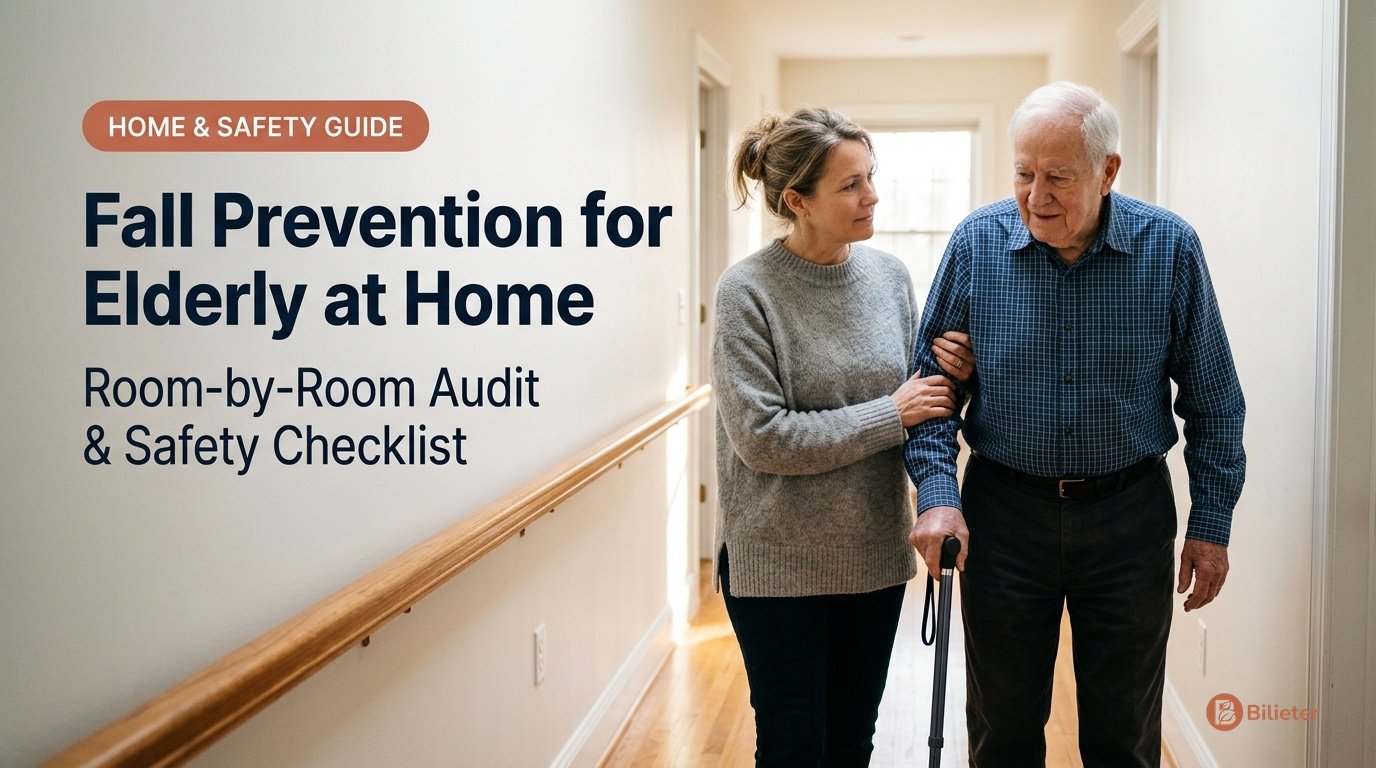
Quick Answer: Effective fall prevention for the elderly at home requires removing immediate physical tripping hazards, improving lighting, and installing secure architectural supports. More than sixty percent of senior falls happen inside the home, with bathrooms and staircases posing the highest clinical risk. A successful fall prevention plan combines five proven interventions: installing ADA-compliant, stud-anchored grab bars inside showers and beside toilets, removing all loose throw rugs, boosting hallway and stair illumination to at least 500 lumens with motion sensors, adding dual continuous handrails to every staircase, and scheduling an annual medication review to identify drugs causing dizziness or blood pressure drops. These targeted retrofits reduce fall risk by over seventy percent.
Key Takeaways for Families
- Bathrooms Are Ground Zero: Over eighty percent of catastrophic senior falls take place in bathrooms during transfers into tubs, showers, or off toilets.
- Throw Rugs Must Be Banished: Loose accent rugs represent the leading physical environmental tripping trigger in private residences.
- Aging Eyes Need Tripled Lumens: An eighty-year-old eye requires three times more ambient lighting to detect steps and obstacles than a twenty-year-old eye.
- Polypharmacy Multiplies Risk: Seniors taking five or more daily medications experience double the rate of balance-loss events due to orthostatic hypotension.
The Clinical Reality: Why Older Adults Fall
To prevent falls effectively, families must understand that a fall is rarely caused by clumsy feet alone. In geriatric care, falls result from the interaction between two distinct vulnerability categories: intrinsic physiological factors and extrinsic environmental hazards.
Intrinsic Biological Triggers
As the human body ages, several physiological systems decline simultaneously. Understanding these natural changes helps adult children spot early mobility warning signs before an accident happens:
- Sarcopenia and Quadriceps Weakness: Age-related loss of muscle mass diminishes the body’s rapid corrective reflexes. When a young adult stumbles, their thigh muscles fire instantly to catch their weight. In older adults, delayed muscle recruitment turns a minor trip into an uncontrolled impact.
- Vestibular and Proprioceptive Decline: The inner ear balance organs and sensory nerve endings in the soles of the feet lose sensitivity. Seniors gradually lose subconscious awareness of exactly where their feet sit in space.
- Visual Acuity and Depth Distortion: Cataracts, glaucoma, and macular degeneration impair contrast sensitivity. A senior may perceive a dark rug or an entrance door threshold as a deep hole, causing hesitant, irregular strides.
- Orthostatic Hypotension: A sudden drop in blood pressure when standing up from a bed or deep armchair causes transient brain hypoperfusion, leading to lightheadedness and fainting.
Extrinsic Environmental Triggers
While intrinsic factors create physical vulnerability, the surrounding living environment supplies the spark. Cluttered floor pathways, slippery porcelain surfaces, low-set furniture, poor illumination, and unrestrained family pets create hazard zones in homes that seniors have lived in safely for decades.
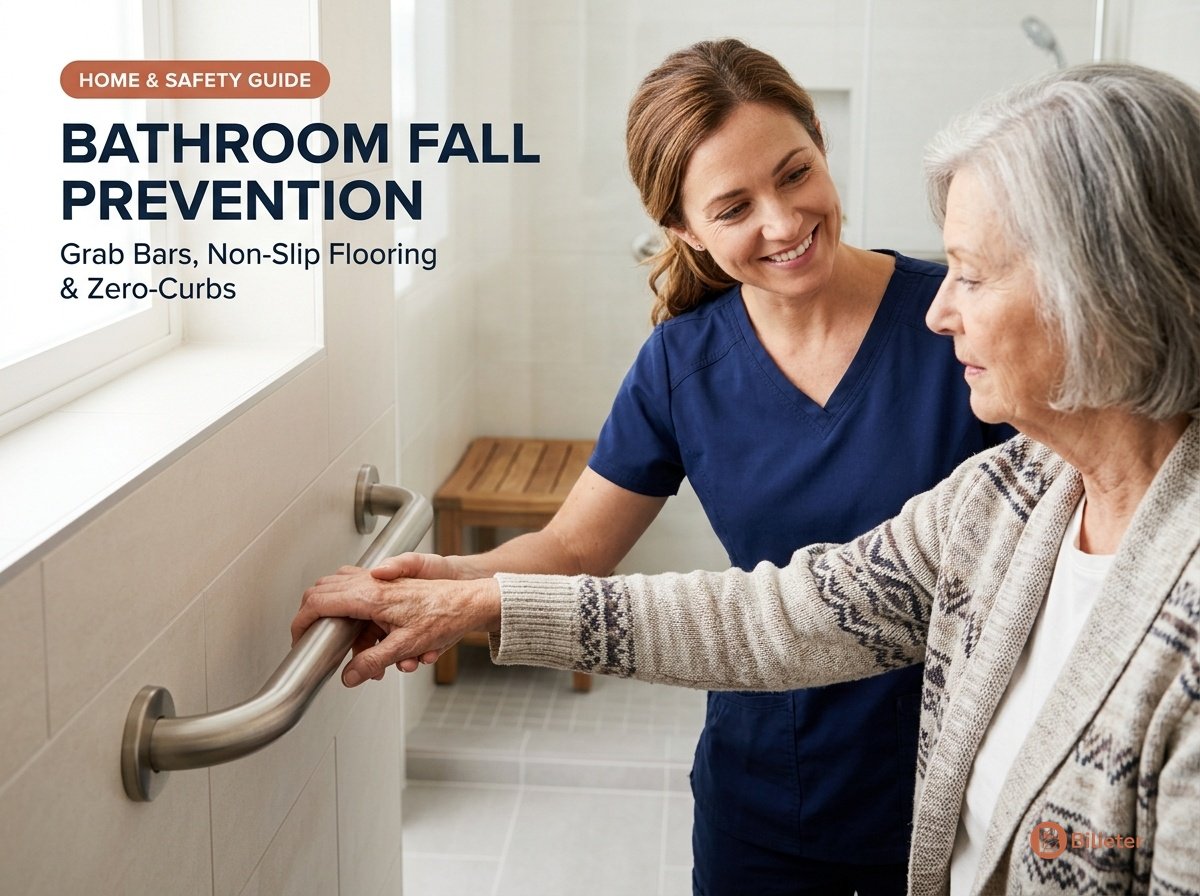
Figure 1: ADA-compliant, stud-anchored grab bars beside curbless showers transform high-risk bathrooms into safe aging-in-place environments.
Room-by-Room Home Safety Hazard Audit
Conducting a methodical room-by-room audit is the most practical step an adult child can take this weekend. Walk through your parent’s home with a notebook, measuring tape, and keen observation. Here is your priority checklist across every living space.
Zone 1: The Bathroom (The Highest Hazard Zone)
The bathroom is the single most dangerous room in any home for an aging adult. Hard porcelain fixtures, narrow layouts, wet tile floors, and demanding physical transfers create a perfect storm for head trauma and hip fractures.
- Ban Suction Cup Grab Bars: Temporary suction grab bars sold in retail stores are dangerous. Under dynamic shock loads (when an adult slips and grabs with full body weight), rubber suction cups peel off wet tile instantly. Install only 1.25 to 1.5-inch diameter stainless steel or brushed nickel grab bars anchored directly into wall framing studs with stainless screws, or use structural hollow-wall toggler anchors rated for 250 to 500 pounds.
- Shower Transfers: Step-over bathtub rims (14 to 18 inches high) require dangerous single-leg balancing. Replace tubs with curbless roll-in showers, or install a sliding transfer bench that allows your parent to sit down outside the tub and slide their legs across safely.
- Comfort-Height Toilets: Standard 14-inch builder toilets force seniors to squat deeply, straining arthritic hips. Upgrade to an ADA comfort-height toilet (17 to 19 inches) and mount a vertical grab bar on the adjacent wall to assist with standing.
- Micro-Textured Floor Treatments: Apply anti-slip mineral treatments or heavy-duty rubberized mats with high drainage hole density to eliminate slick soap-film hazards.
Zone 2: Stairways and Hallways (Catastrophic Fracture Risk)
Stair falls represent the leading cause of fatal home injuries among older adults. A fall down five steps generates enough kinetic force to cause traumatic brain injuries, cervical fractures, and shattered pelvises.
- Dual Continuous Handrails: Most residential staircases feature a handrail on only one side. Mount a second heavy-duty handrail on the opposite wall. Both rails must run unbroken from the top landing to several inches beyond the bottom step, allowing the user to maintain continuous three-point contact.
- High-Contrast Step Nosing: Apply durable high-contrast adhesive strips (or paint contrasting bands) along the leading edge of every tread. This crisp visual cue helps older eyes distinguish individual step drop-offs.
- Stair Lighting: Eliminate single weak overhead bulbs. Install three-way wall switches at both the top and bottom of the staircase, or position low-voltage motion-sensor LED step lights every three treads.
- Tread Stability: Remove worn, slippery runner rugs. Hardwood steps should either feature securely tacked low-pile carpet runners or non-skid transparent polyurethane treads.
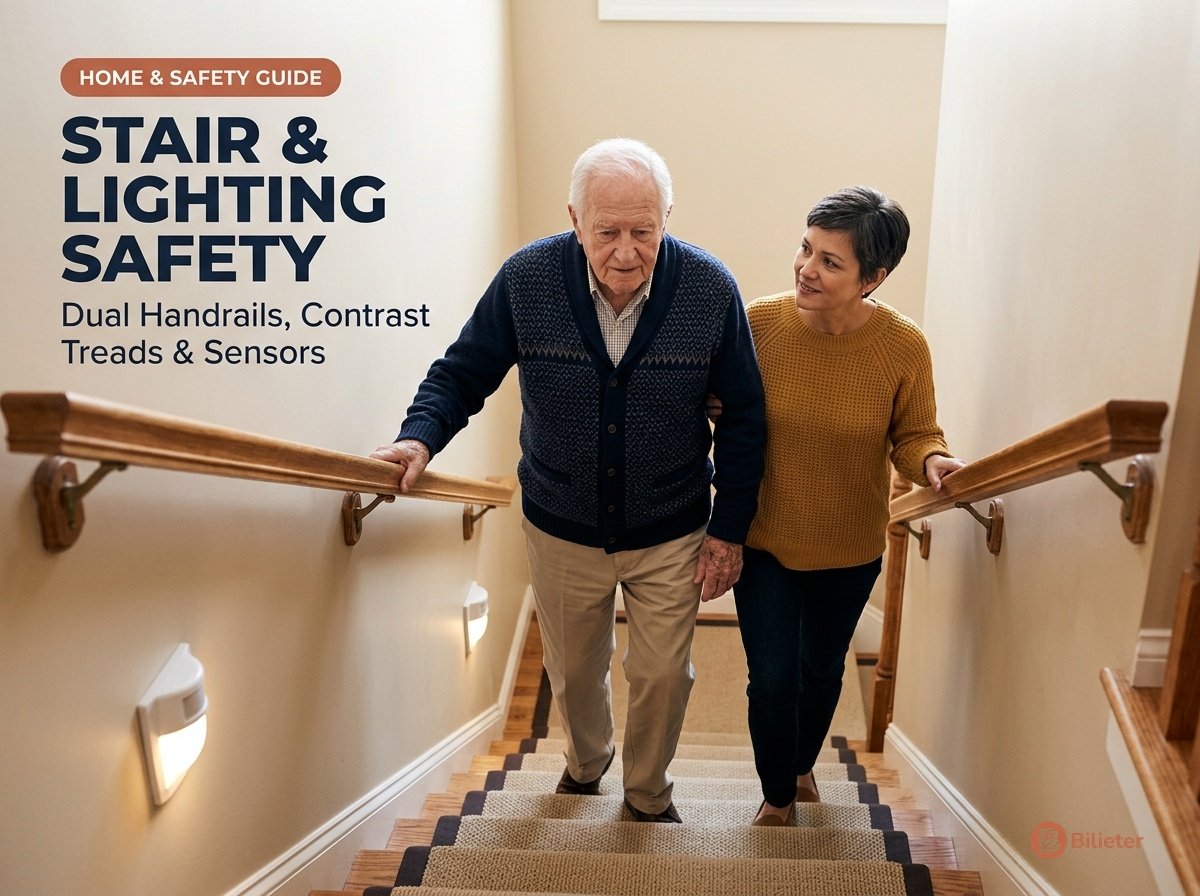
Figure 2: Continuous dual handrails paired with motion-activated step sconces provide stability and eliminate nighttime stair missteps.
Zone 3: The Bedroom (Nighttime Route Safety)
Many falls occur between 11:00 PM and 5:00 AM when a senior wakes groggy, disoriented, and urgent to use the toilet. Navigating a pitch-black room while half-asleep is a primary recipe for disaster.
- Bed Height Calibration: Measure the mattress top from the floor. When your parent sits on the bed’s edge, both feet must rest flat on the floor with knees bent at a comfortable 90-degree angle. A mattress that is too high forces seniors to slide off precariously; a mattress that is too low requires tremendous quadriceps strain to stand.
- Automatic Path Illumination: Install plug-in motion-sensing amber LED nightlights along the baseboards between the bed and the bathroom door. Amber or warm white light (2700K) illuminates the floor without blinding older eyes or disrupting sleep cycles.
- Nightstand Clearance: Position a sturdy bedside lamp with a touch-sensitive base or a rocker switch within effortless arm’s reach of the pillow. Ensure phone chargers, CPAP cords, and glasses cases are organized and secured.
Zone 4: Living Rooms and Common Walkways
Living rooms often accumulate decades of furniture and decorative accents that present severe obstacles for seniors using walking canes or rollator walkers.
- Eliminate All Throw Rugs: This rule is non-negotiable. Small decorative rugs, welcome mats, and curled carpet corners cause thousands of trips every month. Either remove them completely or use commercial double-sided carpet tape to glue the edges flush to the subfloor.
- Clear 36-Inch Walkways: Re-arrange coffee tables, plant stands, and floor lamps to maintain a clear 36-inch path between rooms. A senior should never have to turn sideways or navigate an obstacle course to reach the kitchen or sofa.
- Armchair Selection: Retire deep, overstuffed sofas that trap seniors in a sunken posture. Provide firm, supportive armchairs with sturdy wooden or padded armrests that extend to the edge of the seat, giving seniors mechanical leverage when standing.
- Cord Management: Fasten television cables, lamp cords, and extension cords along baseboards using plastic cable clips. Never run cords under rugs or across walkways.
When physical frailty is accompanied by memory loss or wandering, review our clinical guide on assisted living vs memory care to determine if residential safety architecture has become necessary.
Room-by-Room Safety Hazard & Intervention Matrix
Use the detailed comparison matrix below to plan your family’s home safety upgrades, assess clinical risk levels, and budget for hardware and professional installation.
| Home Zone | Primary Fall Hazard | Recommended Safety Intervention | CDC STEADI Risk | Typical Cost Range |
|---|---|---|---|---|
| Bathroom Shower / Tub | Slick wet surfaces, high tub wall step-over, unstable towel racks. | Mount 2 stud-anchored grab bars, install sliding tub transfer bench. | Critical | $150 – $400 (DIY / Pro) |
| Bathroom Toilet | Low seating height (14-in), loss of balance during pants adjustment. | Install 17-19 inch comfort toilet or clamp-on safety riser with arms. | High | $60 – $350 |
| Stairways & Steps | Missing second handrail, dark landing, worn runner, lack of contrast. | Add dual continuous rails, motion step sconces, contrast nosing. | Critical | $200 – $800 |
| Hallways & Paths | Loose throw rugs, curled edges, trailing electrical cords, shadows. | Remove all accent rugs, secure cords to baseboards, install nightlights. | High | $20 – $75 (Immediate DIY) |
| Bedroom Night Route | Darkness during urgent urination, incorrect bed height, slipper clutter. | Calibrate mattress to 90-deg knee bend, add under-bed LED sensor strip. | High | $30 – $120 |
| Kitchen & Pantry | Reaching for high cabinets, using step stools, wet tile spills. | Relocate essentials between waist and shoulder; non-slip floor treatment. | Moderate | $0 – $50 (Reorganization) |
| Entryway & Porch | Single exterior step without handrail, cracked concrete, poor lighting. | Install exterior wrought iron handrail, repair masonry, 800-lumen floodlight. | High | $150 – $600 |
The Medication & Vision Connection
Even a perfectly remodeled home cannot prevent a fall if internal physiological systems are compromised. Two critical non-architectural factors require regular clinical monitoring.
The Polypharmacy Problem
According to the National Institute on Aging (NIA), taking five or more prescription medications (polypharmacy) dramatically multiplies fall frequency. Certain drug classes directly interfere with stability:
- Sedatives and Sleep Aids: Benzodiazepines, z-drugs (like zolpidem), and over-the-counter sleep pills linger in an older adult’s bloodstream for 12 to 18 hours, impairing morning reaction times and coordination.
- Antihypertensives: Diuretics and blood pressure medications can overcorrect, leading to severe orthostatic drops when transitioning from lying to standing.
- Anticholinergics: Many allergy medicines, urinary incontinence drugs, and anti-nausea pills cause blurred vision, drowsiness, and acute cognitive confusion.
Action Step: Request a comprehensive “Brown Bag Medication Review” with your parent’s primary physician or pharmacist. Bring every prescription, supplement, and over-the-counter pill to weed out duplicate effects or de-prescribe high-risk sedatives.
Vision and Eyewear Hazards
Multifocal glasses (bifocals, trifocals, and progressive lenses) are wonderful for reading and driving, but they are dangerous for walking on stairs or uneven terrain. When an older adult looks down through the lower portion of progressive lenses to see where to place their foot, the magnification distorts depth perception, making stairs appear closer or farther than they actually are.
Action Step: Consult an optometrist to obtain a pair of single-vision distance glasses specifically designated for outdoor walking and stair navigation.
If frequent unsteadiness is accompanied by memory loss or disorientation, read our guide on when is it time for memory care to review clinical FAST staging criteria.
Footwear and Assistive Mobility Devices
What your parent wears on their feet inside the house directly influences their ground friction and balance recovery:
- Ditch Loose Backless Slippers: Slip-on scuffs, flip-flops, and slick stocking feet are major fall contributors. Bare socks on polished hardwood offer zero grip.
- Choose Supportive Indoor Shoes: Have your parent wear supportive indoor shoes with non-skid rubber soles, low firm heels, and secure Velcro or lace closures.
- Calibrate Walking Canes and Rollators: A poorly sized walking cane causes worse posture and unsteadiness. To size a cane correctly, have your parent stand straight wearing normal walking shoes with arms hanging relaxed at their sides. The top handle of the cane must align perfectly with the crease of their wrist. When gripping the cane, their elbow should bend at a comfortable fifteen to twenty-degree angle.
For families calculating whether home retrofits or community living is financially practical, consult our detailed resource on does Medicare cover assisted living to understand Medicaid waivers and long-term care insurance rules.
Action Plan: Your 48-Hour Fall-Proofing Weekend
Transforming your parent’s home does not require an expensive six-month contractor overhaul. Tackle the project in logical weekend phases:
- Saturday Morning (Elimination Phase): Walk room to room with heavy trash bags. Gather and remove every throw rug, welcome mat, and loose runner. Reroute extension cords behind furniture. Relocate low coffee tables and clutter to create 36-inch wide walking highways.
- Saturday Afternoon (Bathroom Fortification): Locate wall studs in the shower stall and beside the toilet. Fasten two heavy-duty ADA-compliant grab bars. Assemble and place a stable shower chair or transfer bench, and verify that the hand-held shower hose reaches effortlessly.
- Sunday Morning (Illumination Upgrade): Replace dim 40-watt incandescent bulbs with 800-lumen 2700K warm white LED bulbs. Plug in motion-sensor nightlights along the hallway baseboards and inside the bathroom. Add a touch-control lamp to the bedside table.
- Sunday Afternoon (Health & Routine Alignment): Inspect the bathroom medicine cabinet and gather all pill bottles for an upcoming doctor audit. Check indoor footwear soles for rubber grip, and calibrate walking cane height.
Frequently Asked Questions
What is the number one cause of falls in the elderly at home?
The leading environmental cause of falls at home is loose throw rugs and floor clutter, which snag heels and walker wheels. The leading physiological cause is muscle weakness (sarcopenia) combined with orthostatic blood pressure drops from medications. When an unstable environment meets impaired reflexes, falls occur.
Are suction cup grab bars safe for seniors?
No. Suction cup grab bars are not safe for elder fall prevention. Suction seals fail unexpectedly under dynamic weight loads, humidity shifts, or grout line gaps. When a falling adult grabs a bar with sudden force, suction bars pull loose immediately. Only install grab bars screwed securely into structural wall studs or heavy-duty hollow-wall anchors rated for 250 pounds.
What is the safest flooring for elderly fall prevention?
Commercial-grade, low-pile glued-down carpet (without thick spongy underpadding) offers the safest balance of slip resistance, stability for walker wheels, and impact cushioning during a stumble. Matte-finish, slip-resistant vinyl plank flooring (with a dynamic coefficient of friction above 0.6) is the best choice for kitchens and bathrooms.
Does Medicare pay for home safety modifications or grab bars?
Original Medicare (Parts A and B) generally does not cover home safety modifications, grab bars, or wheelchair ramps because they are classified as home improvements rather than medical equipment. However, some Medicare Advantage (Part C) plans offer modest home modification allowances, and state Medicaid Home and Community-Based Services (HCBS) waivers frequently fund basic accessibility retrofits.
How do I convince a stubborn parent to remove throw rugs?
Avoid framing the conversation around frailty or disability. Never say, “You’re too old and clumsy for these rugs.” Instead, frame changes around preserving their independence and protecting family peace of mind: “Mom, Dr. Miller stressed that a broken hip is the number one reason seniors lose their home independence. Let’s roll up these rugs for a month so you can stay in this house for years to come.”
Medical & Safety Disclaimer: The information provided in this guide is for educational and environmental safety purposes only. It does not replace individualized clinical gait assessments, physical therapy prescriptions, or personalized medical care. Consult a physician or licensed occupational therapist for clinical fall risk evaluations.
Written by Franklin Alfano, Senior Care & Eldercare Operations Consultant at Bilieter. Franklin reviews home safety retrofits, clinical mobility benchmarks, and family care frameworks to help adult children keep aging parents safe and independent.
Learn more about our mission in About Us, review our rigorous Editorial Policy & Care Standards, read our Terms of Use & Senior Care Disclaimer, or reach out directly through our Contact Us page.