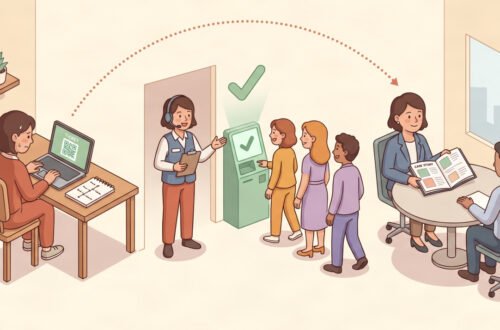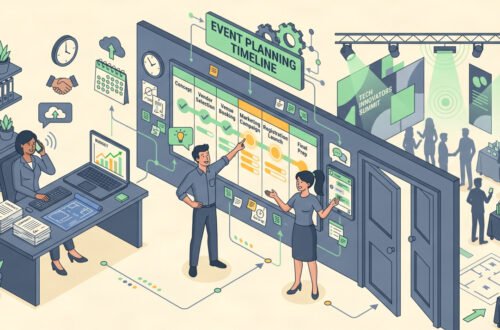
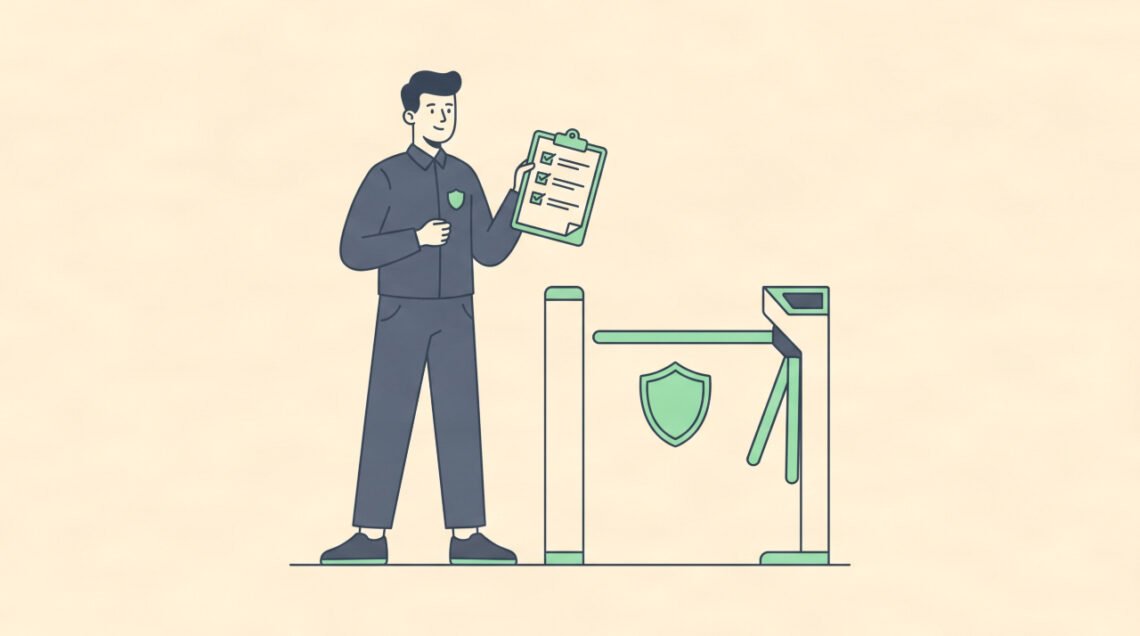
A sudden thunderstorm hits your outdoor venue, or an unannounced VIP arrives with a crowd of un-ticketed spectators. Without a written security document, your staff reacts with guesswork instead of a coordinated response.
Creating a security plan for an event template is the single most effective way to prevent crowd bottlenecks, equipment theft, and emergency delays. If you host a 100-person regional workshop or a 10,000-person outdoor festival, local authorities and venue managers require a formal security document before issuing permits.
This guide provides a free, customizable security plan template alongside practical examples for different event formats. You will learn how to conduct threat assessments, set perimeter controls, deploy medical teams, and manage crowd flow without slowing down attendee entry.
What You’ll Need
Before filling out your security plan, assemble the following operational details and tools:
- A scaled site map or venue floor plan showing all entry points, emergency exits, and utility shutoffs
- Contact details for local police, fire department, and emergency medical services
- Expected attendee count, age demographics, and peak arrival times
- Inventory of security hardware including ticket scanners, two-way radios, and crowd control barricades
- Proof of public liability insurance and municipal permit numbers
- Assigned security roles for key staff members and third-party guard agencies
Complete Event Security Plan Template
Copy and fill out this standardized template for your event. You can modify each section based on your venue size and local regulatory requirements.
1: Event Overview and Contact Directory
- Event Title: [Insert Event Name]
- Date and Operating Hours: [Insert Dates and Start/End Times]
- Venue Name and Address: [Insert Full Address and Facility Type]
- Expected Attendance: [Insert Peak Concurrent Attendance]
- Event Director: [Name | Phone Number | Radio Channel]
- Head of Security: [Name | Phone Number | Radio Channel]
- Medical Lead: [Name | Phone Number | Radio Channel]
- Local Police Precinct Contact: [Station Name | Direct Dispatch Line]
- Local Fire Department Contact: [Station Name | Direct Line]
2: Threat Assessment and Risk Mitigation
| Identified Threat | Risk Level (Low/Med/High) | Prevention Measure | Emergency Response Action |
|---|---|---|---|
| Overcrowding at Entry | High | Staggered gates, digital ticket scanning | Open overflow lanes, pause queue |
| Medical Incident | Medium | First aid station, roving paramedics | Clear medical lane, call dispatch |
| Unauthorized Entry | Medium | Perimeter fencing, wristband checks | Escort off-site, alert main gate |
| Severe Weather | Medium | Weather monitoring app, shelter plan | Issue PA announcement, evacuate |
| Power Outage | Low | Backup generators, battery floodlights | Deploy flashlight team, secure exits |
3: Access Control and Perimeter Management
- Perimeter Boundaries: [Specify fencing type, temporary barriers, or wall structures]
- Entry Gate Procedures: All attendees must present a valid QR code or physical ticket. Security personnel perform bag checks at Gates A and B.
- Credential Tiers: General Admission (Green Wristband), Staff (Blue Lanyard), VIP (Gold Wristband), Vendor (Yellow Lanyard).
- VIP and Performer Access: Dedicated secure entrance at Gate C with escort personnel.
- Parking and Traffic Control: Designated parking zones with directional signage and dedicated traffic marshals.
4: Incident Command and Emergency Protocols
- Command Post Location: Main Operations Office near Gate A.
- Primary Radio Channels: Channel 1 (General Ops), Channel 2 (Security Team), Channel 3 (Medical Team).
- Evacuation Assembly Points: Primary assembly at North Parking Lot. Secondary assembly at East Field.
- Severe Weather Protocol: Event manager monitors weather radar. Evacuation triggered if sustained winds exceed 35 mph or lightning strikes within 8 miles.
- Medical Emergency Protocol: Staff contacts Medical Lead on Channel 3. Paramedics dispatch to location within 90 seconds.
Step-by-Step Security Plan Implementation
A template is only useful if your team executes it correctly on event day. Follow these operational steps to deploy your security framework.
1: Conduct a Venue Risk Assessment
Start your security planning four to six weeks before the event date. Walk through the venue with your facility manager and note every physical vulnerability. Identify unmonitored side doors, dark parking areas, narrow stairwells, and exposed electrical panels.
Match your expected crowd size to the venue capacity limits. If your space holds 500 people, capping ticket sales at 450 leaves margin for staff, vendors, and performers without risking overcrowding. Check official guidelines like the FEMA Special Events Contingency Planning Guide to align your risk assessments with recognized safety standards.
A successful risk assessment results in a marked-up site map highlighting all entry points, emergency exits, security posts, and high-risk zones.
2: Establish Access Control Points
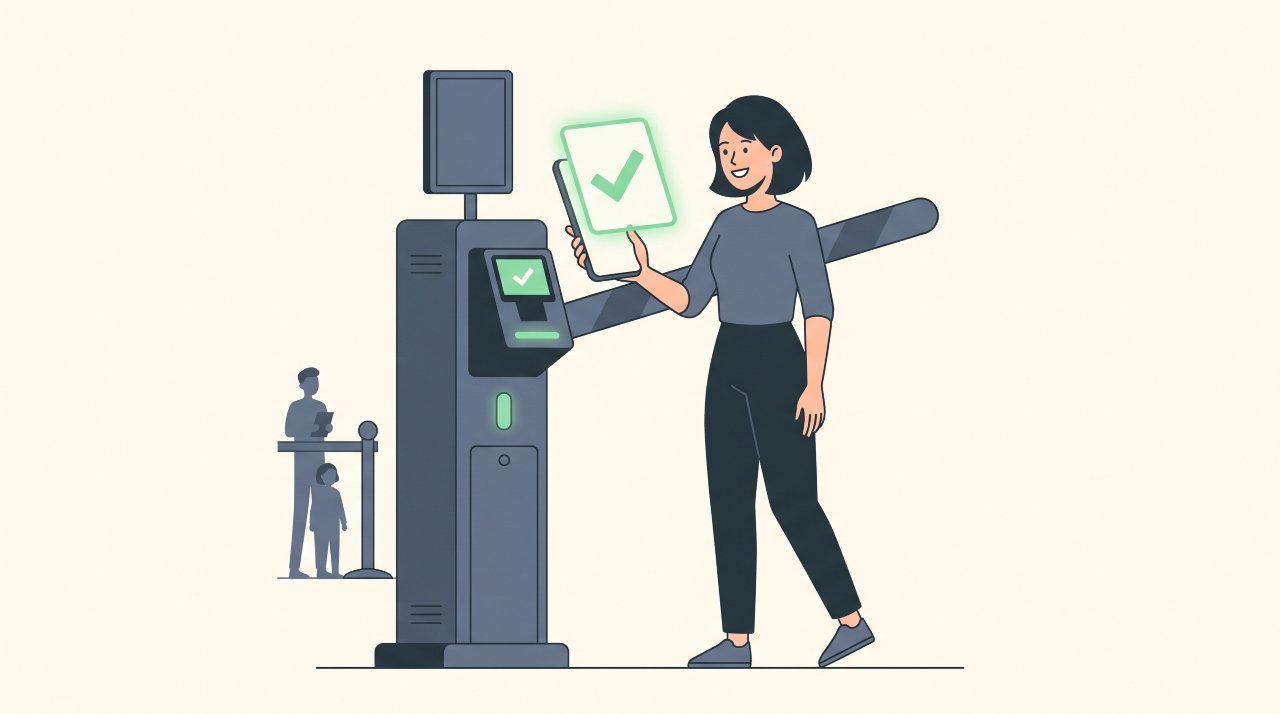
Controlling who enters your event is the foundation of venue safety. Set up clear perimeter boundaries using temporary fencing, stanchions, or existing walls. Position security checkpoints far enough from entry doors to prevent crowd buildup on public sidewalks.
Separate entry lanes by credential type. Create dedicated lanes for general admission, VIP guests, staff, and accessibility access. Use digital ticket scanners at all gates to validate tickets in real time and prevent counterfeit entries.
For a broader look at organizing your entire event operation alongside safety planning, read our complete event planning guide. It explains how to coordinate venue bookings, staffing schedules, and entry technology.
Proper access control shows distinct entrance lanes with clear signage, trained bag checkers, and active ticket scanning devices at every gate.
3: Define Staff Roles and Chain of Command
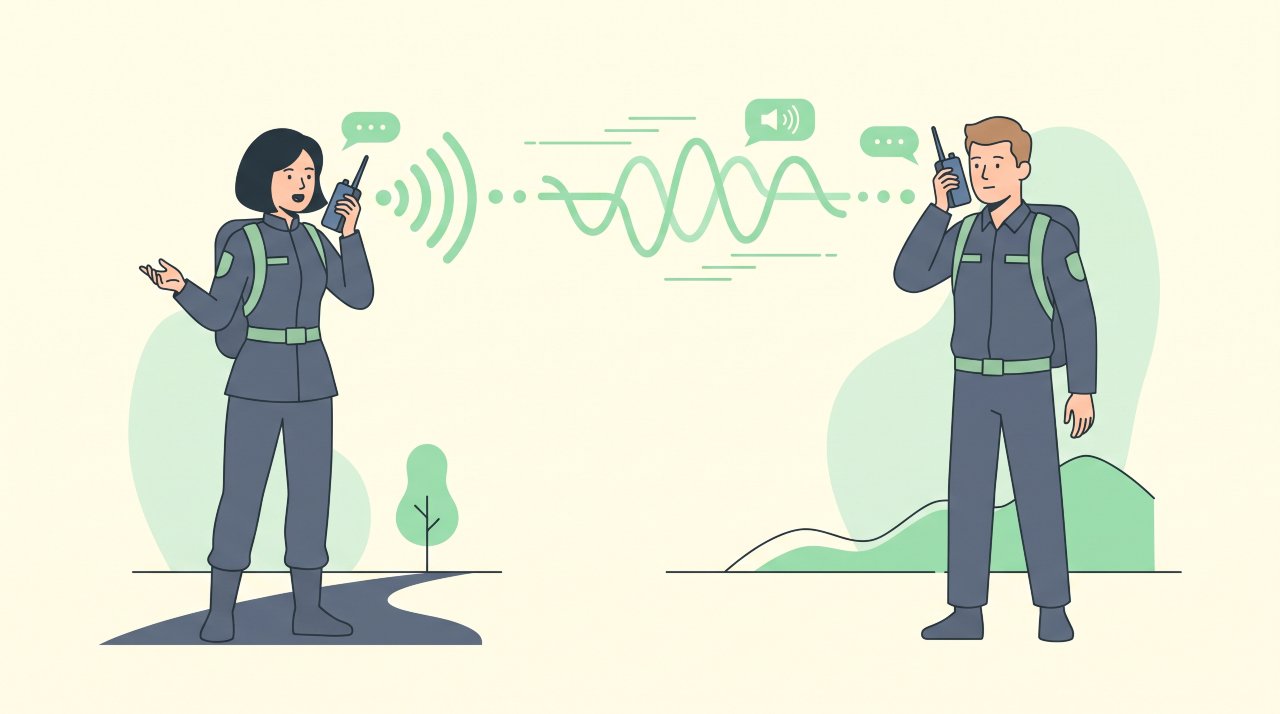
During a security incident, staff members must know exactly who gives orders. Establish a clear chain of command headed by an Event Director and a dedicated Security Manager. Assign specific roles to every guard, usher, and volunteer.
Provide written role sheets to your team during pre-event briefings. Entrance guards manage bag inspections and ticket validation. Roving guards monitor crowd behavior near stages and bar areas. Exit monitors ensure emergency doors remain unlocked from the inside while preventing unauthorized entry from the outside.
Correct role assignment means every staff member wears visible credentials, carries a programmed two-way radio, and knows their assigned station before doors open.
4: Coordinate With Emergency Services
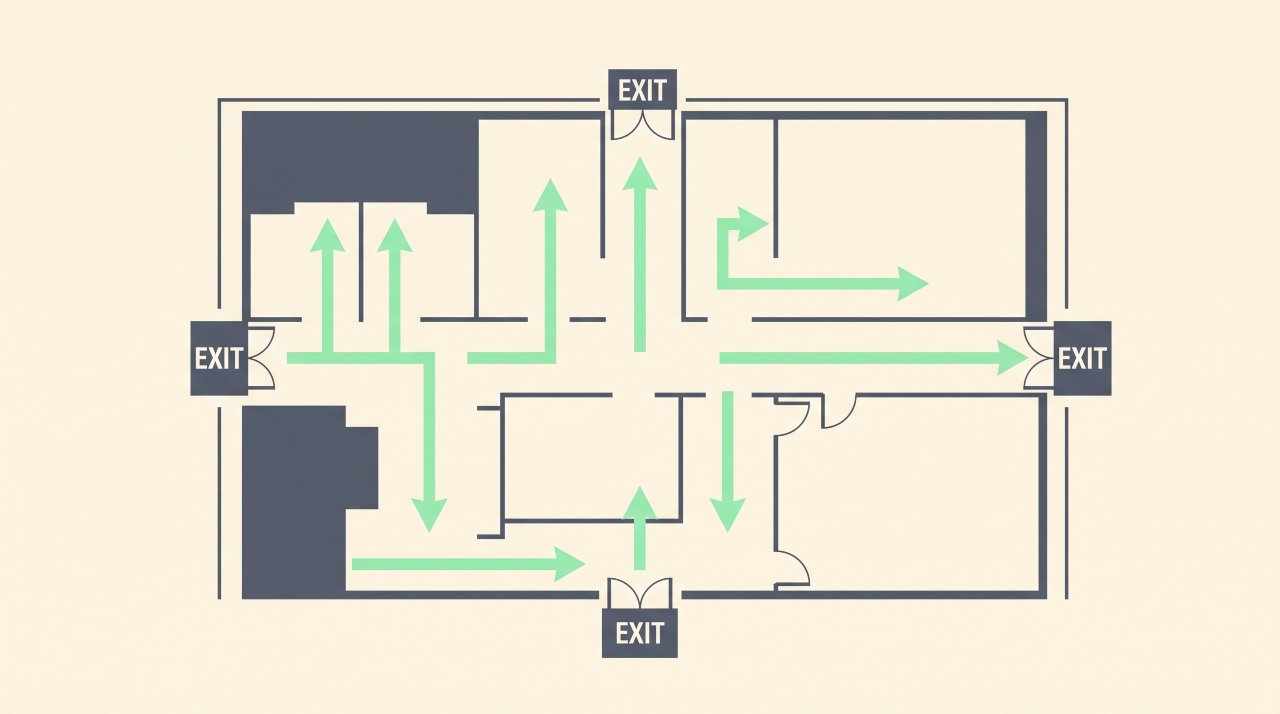
Local emergency services need advance notice of your event schedule, venue layout, and expected attendance. Contact your municipal police precinct, fire department, and private ambulance provider at least thirty days before your event.
Share your event security plan sample and site map with local authorities. Provide direct phone numbers for your Security Manager and Event Director. For large outdoor gatherings, invite a fire marshal to inspect emergency exits and pyrotechnic setups before opening doors. Review guidelines from the DHS Commercial Facilities Safety Guidelines to ensure your emergency contact protocols match federal standards.
Active emergency coordination shows written confirmation from local police and fire services filed in your operational binder, with direct radio frequencies logged in your command post.
5: Run Pre-Event Briefings and Simulations
Hold a mandatory briefing for all security personnel, venue staff, and key volunteers two hours before doors open. Walk your team through emergency scenarios including lost children, medical collapses, aggressive attendees, and weather evacuations.
Test your communication equipment during the briefing. Ensure every two-way radio operates on its assigned channel and that battery levels are full. Test your venue public address system to verify announcements are loud and clear across all rooms and outdoor spaces.
A thorough briefing ends with a live radio check across all channels, confirmed emergency exit paths, and verified security positions at all gates.
Real-World Event Security Plan Samples
Different event formats present unique security challenges. Use these four scenario examples to tailor your event security plan sample to your specific format.
1: Outdoor Music Festival (5,000 Attendees)
- Primary Focus: Perimeter defense, bag inspections, weather evacuation, crowd surge management.
- Key Security Personnel: 1 Security Director, 4 Gate Supervisors, 20 Entrance Guards, 12 Roving Patrols, 6 Medical First Responders.
- Access Control: Full perimeter chain-link fencing, RFID or QR wristband scanning, mandatory bag size limits (under 12x6x12 inches).
- Special Measures: Hydration stations near stage barriers, severe weather shelter agreements with nearby facilities, dedicated emergency vehicle lane.
2: Corporate Conference (800 Attendees)
- Primary Focus: Executive protection, intellectual property security, credential verification, smooth registration flow.
- Key Security Personnel: 1 Security Lead, 4 Registration Badge Checkers, 2 Floor Marshals, 1 Off-Duty Officer at Main Entrance.
- Access Control: Lanyard badge verification at all room entrances, digital check-in kiosks at main lobby, restricted access to speaker green rooms.
- Special Measures: Secure Wi-Fi network protocols, confidential document disposal bins, pre-cleared media press badges.
3: Community Sports Tournament (1,500 Attendees)
- Primary Focus: Parking control, spectator crowd separation, youth safety, heat stress prevention.
- Key Security Personnel: 1 Event Coordinator, 6 Traffic Marshals, 4 Field Monitors, 2 Certified First Aid Personnel.
- Access Control: Open perimeter with designated team entry gates, parking staff directing vehicle traffic, wristbands for field access.
- Special Measures: Dedicated cooling tents, clear parent-child reunion point at main desk, zero-tolerance policy signage for unsportsmanlike behavior.
4: Charity Gala and Dinner (300 Attendees)
- Primary Focus: High-value auction asset security, VIP privacy, valet traffic flow, coat check security.
- Key Security Personnel: 1 Event Lead, 2 Uniformed Door Guards, 2 Asset Guards near auction displays, 1 Parking Attendant Lead.
- Access Control: Guest list check-in at entrance foyer, mobile ticket confirmation, restricted kitchen and back-of-house access.
- Special Measures: Locked security safe for auction items and cash payments, dedicated valet staging zone, discreet guard positioning.
Security Plan Cost and Budget Breakdown
Security planning requires allocating funds across personnel, hardware, and regulatory permits. Use this sample budget table to plan your security expenses.
| Expense Item | Description | Estimated Unit Cost | Typical Total (1,000 Attendees) |
|---|---|---|---|
| Licensed Security Guards | Professional guards for gate and roving posts | 25to45 per hour per guard | 1,200to2,100 (6 guards, 8 hours) |
| Off-Duty Police Officers | Required for traffic control or high-risk events | 50to85 per hour per officer | 400to680 (1 officer, 8 hours) |
| Mobile Ticket Scanners | Digital scanning hardware or app licenses | 30to75 per device | 120to300 (4 devices) |
| Crowd Barriers / Stanchions | Rental of metal barricades for entry queues | 15to35 per 8ft section | 300to700 (20 sections) |
| Two-Way Radios | Multi-channel radios with earpieces | 10 to 25 per radio per day | 150to375 (15 radios) |
| First Aid Service | Contracted EMT or paramedic team on-site | 40to80 per hour per medic | 640to1,280 (2 medics, 8 hours) |
Common Pitfalls to Avoid
Even seasoned organizers encounter security lapses. Review these common pitfalls to keep your event safe.
| Pitfall | What Goes Wrong | Practical Fix |
|---|---|---|
| Undermanned entrance gates | Entry queues back up onto public roads | Assign 1 guard or scanner per 150 expected attendees per hour |
| Poor radio channel management | Security and catering talk over each other | Assign dedicated channels for Security, Ops, and Medical |
| Unlocked emergency exit doors | Un-ticketed guests slip inside through side doors | Assign guards to monitor exit doors or install one-way alarm push bars |
| Missing local emergency contact list | Staff wastes time searching for phone numbers during incidents | Print emergency contact cards for all staff lanyards |
| No clear severe weather threshold | Decision to pause or evacuate is delayed | Set specific weather thresholds (wind speed, lightning radius) in writing |
If you are expanding your career in event management and want to understand how safety protocols fit into professional planning roles, check our guide on what event planners need to know. It breaks down certifications, operational skills, and industry expectations.
Frequently Asked Questions
What is an event security plan?
An event security plan is an operational document detailing how an organizer protects attendees, staff, and assets. It outlines threat assessments, access control procedures, staff roles, and emergency evacuation steps for a specific event.
Why do municipal councils require an event security plan?
Local councils and police departments require security plans to ensure public safety, prevent traffic congestion, and verify that event organizers have sufficient emergency medical procedures in place before issuing permits.
How many security guards do I need for my event?
A general industry standard is 1 security guard per 100 to 150 attendees for standard risk events. High-risk events, alcohol-serving venues, or large outdoor festivals may require 1 guard per 50 to 75 attendees.
What is the difference between event safety and event security?
Event safety focuses on preventing accidental harm, such as trip hazards, fire prevention, and medical care. Event security focuses on protecting against intentional disruptions, including unauthorized entry, theft, crowd violence, and property damage.
Who should receive a copy of the final security plan?
Distribute copies to your Security Manager, Event Director, venue facility lead, contracted security agency, local police precinct, fire department, and municipal licensing board at least two weeks before event day.
Summary
A security plan for an event template transforms chaotic emergency responses into structured, professional procedures. Start early by conducting a site risk assessment, establishing clear access control lanes, assigning role-based radio channels, and filing your plan with local authorities.
Keep a printed copy of your security plan in your central command post on event day. Review emergency protocols with your staff during pre-event briefings, and keep exit paths clear throughout your operating hours.