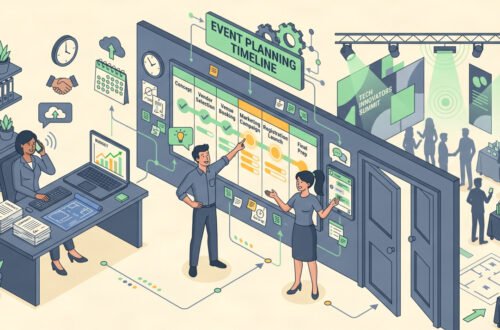
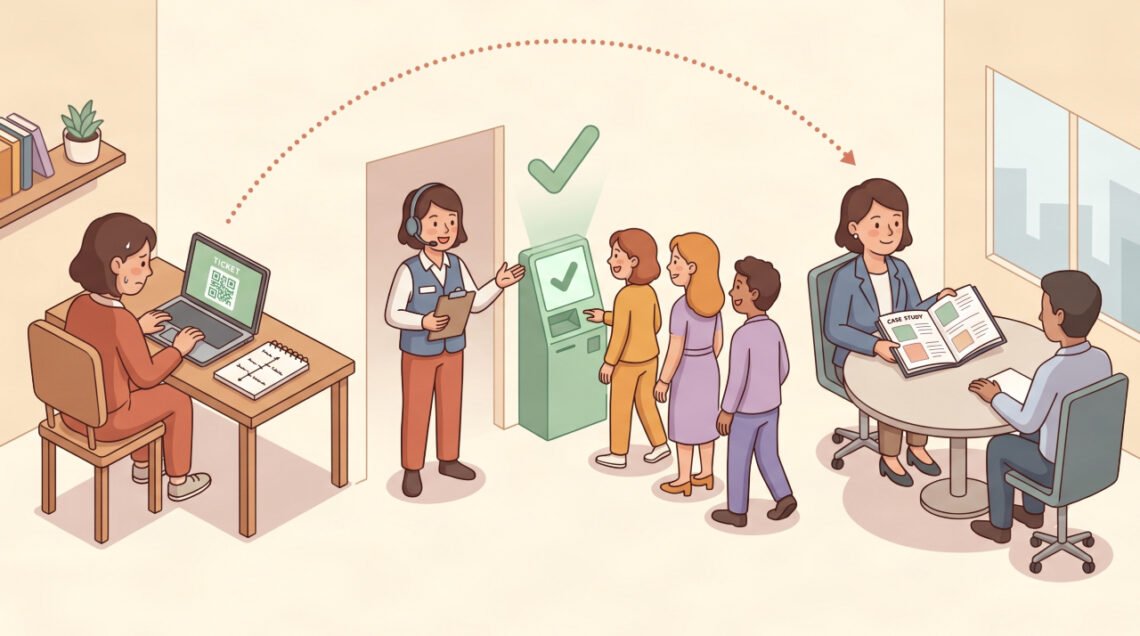
Most people who want to get into event planning make the same mistake. They spend months researching certifications, updating their resume, and waiting for the right entry-level job posting — while the planners who actually get hired are already on-site at a local fundraiser, learning how a production schedule runs and what happens when a caterer shows up 40 minutes late.
Event planning is a field where operational experience speaks louder than credentials. The question isn’t really whether you can get in. It’s whether you understand what the job actually requires before you try to get it.
This guide walks you through how to get into event planning in concrete, actionable steps — from building the foundational skills that hiring managers actually look for, to landing your first real opportunity, to positioning yourself for a long-term career in events. If you’re starting from zero, this is where to begin.
What You’ll Need Before You Start
Before applying for a single position or reaching out to a single planner, you need a clear picture of what this career involves. Event planning is equal parts logistics, communication, and crisis management. The role requires:
- Project management ability — juggling 15 open tasks with different owners and deadlines simultaneously
- Budget discipline — tracking spend in real time and protecting contingency funds under pressure
- Vendor coordination — managing contracts, holding suppliers accountable, and knowing when to escalate
- Tech familiarity — registration platforms, QR check-in systems, event management dashboards, and basic AV setups
- Composure under pressure — the ability to make fast, calm decisions when something breaks on event day
You don’t need formal experience in all of these from day one. But you need to know they exist, understand why they matter, and be able to speak to them in an interview or a client conversation.
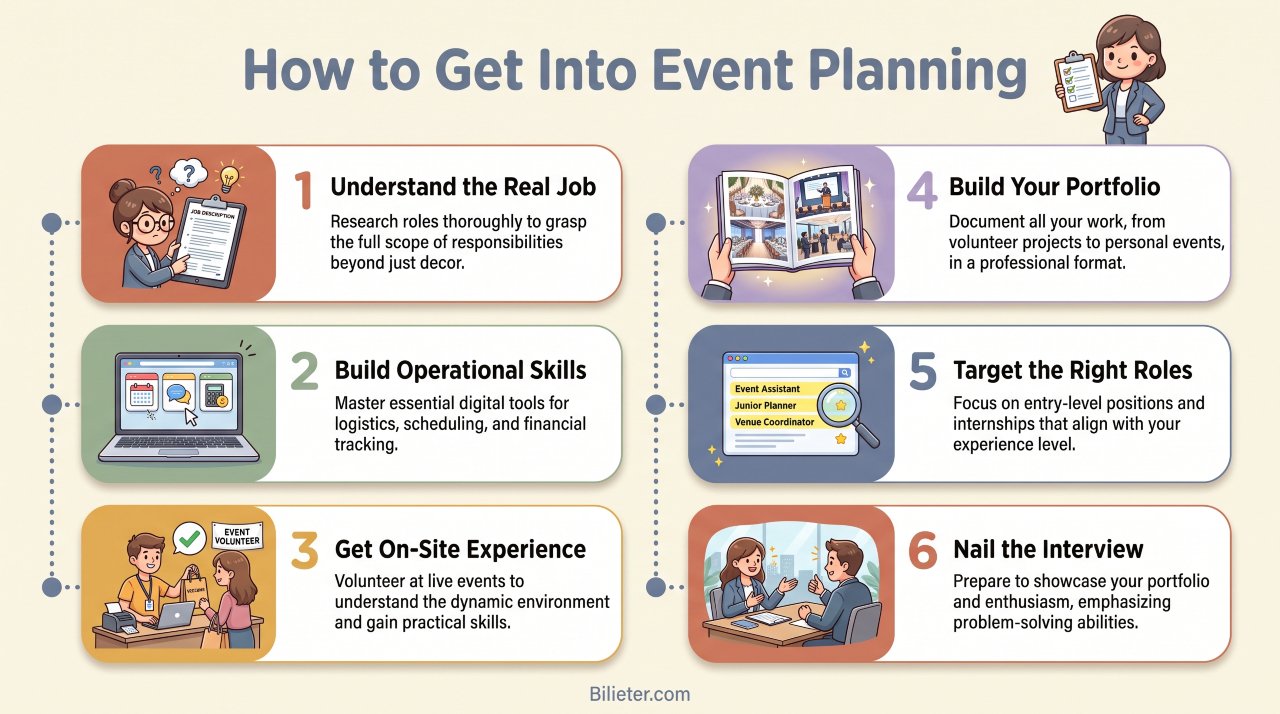
1: Understand What Event Planners Actually Do Day to Day
Why this step matters: Most people enter this field with an idealized picture of the job — venue tours, vendor tastings, creative briefs. The reality is that 80% of event planning work happens in spreadsheets, contract negotiations, and logistics calls. If you understand the operational reality before you start, you’ll learn faster and make a better impression.
What the day-to-day actually looks like:
On a planning week (not event week), an event coordinator might spend time on:
- Updating a shared budget tracker with new vendor quotes
- Following up on unsigned contracts from two vendors
- Reviewing a registration platform dashboard for attendee count
- Writing and distributing a run-of-show draft for team review
- Scouting a backup venue in case the primary falls through
On event week, the work shifts entirely to operations:
- Final vendor confirmation calls
- Printing and distributing production schedules
- Testing QR check-in scanners at the venue
- Briefing gate staff and volunteers on their roles
- Managing real-time issues from load-in to load-out
Most common mistake: Assuming the creative and design side of events is the primary skill. Creativity matters, but coordinators who can’t hold a timeline or manage a vendor contract don’t last long.
What correct preparation looks like: You’ve read actual job descriptions for event coordinator roles and can identify which specific tasks you’ve done in some form — even outside a professional events context.
2: Build the Operational Skills Employers Actually Test
Why this step matters: When you apply for your first event role, an interviewer won’t ask about your passion for events. They’ll ask how you’ve handled a logistics problem, what tools you’ve used to manage a project, and how you communicate with vendors or stakeholders. Your answer needs specifics, not enthusiasm.
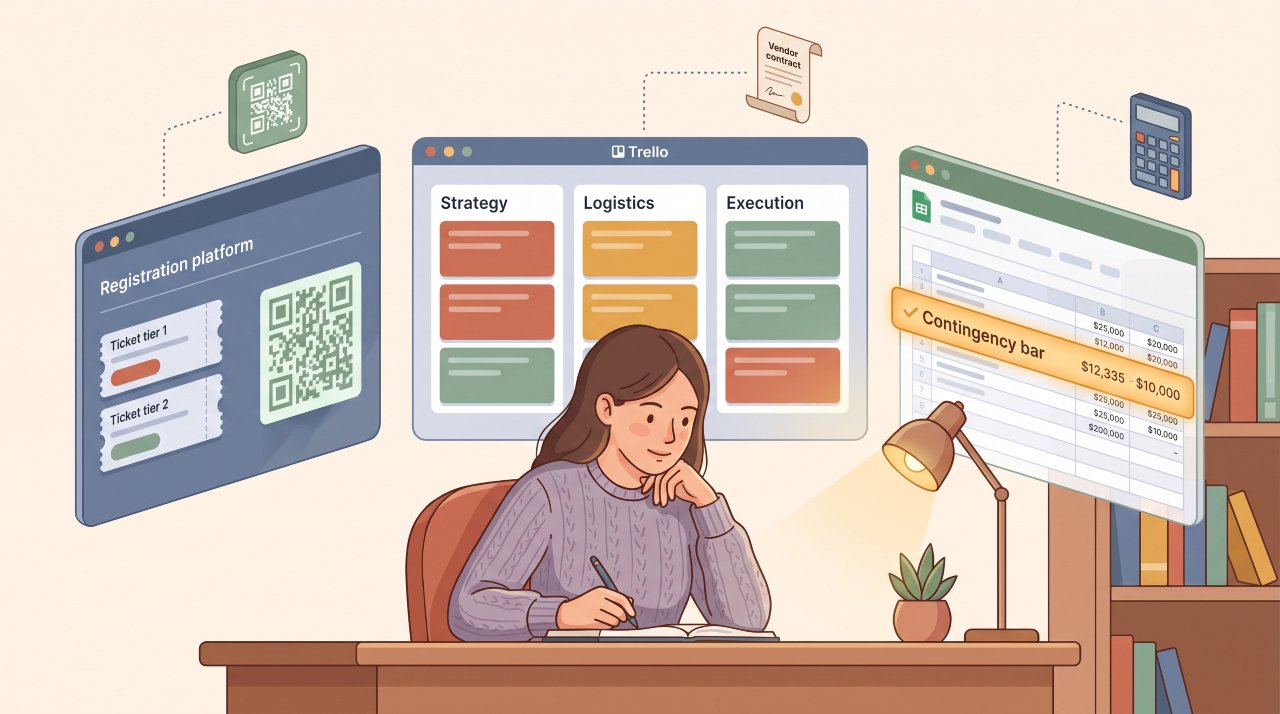
Skills to build before your first application — and how to build them:
Budget management: Create a mock event budget in Google Sheets or Excel. Include venue, catering, AV, marketing, staffing, and a 12% contingency line. Practice tracking actual vs. estimated spend. This takes two hours and gives you a real answer to “how do you manage a budget?”
Project timeline management: Use a free tool like Trello or Asana to build a sample 8-week event planning timeline. Assign tasks to fictional team members and departments. This teaches you how dependencies work — you can’t confirm catering until venue capacity is confirmed.
Ticketing and registration platforms: Create a free account on an event registration platform. Build a test event, create ticket tiers, and run a mock registration. Knowing how these systems work — including real-time attendance dashboards, QR code generation, and check-in scanning — is a genuine differentiator in entry-level applications.
Vendor communication: Draft a sample vendor inquiry email, a request for quote, and a follow-up for an unsigned contract. Practice writing professionally and specifically, not vaguely.
Most common mistake: Listing “Microsoft Office” on a resume as a tech skill for event planning. Hiring managers want to see registration platforms, project management tools, and event management software — not general productivity apps.
What correct preparation looks like: You can name at least two event-specific platforms you’ve used or explored, explain what they do, and describe a task you completed in each.
3: Get On-Site Experience Before You Apply
Why this step matters: A resume with zero on-site event experience will be passed over in favor of one with volunteer coordination credits, even at the entry level. The fastest way to get experience is to go get it, not to wait for someone to give it to you.
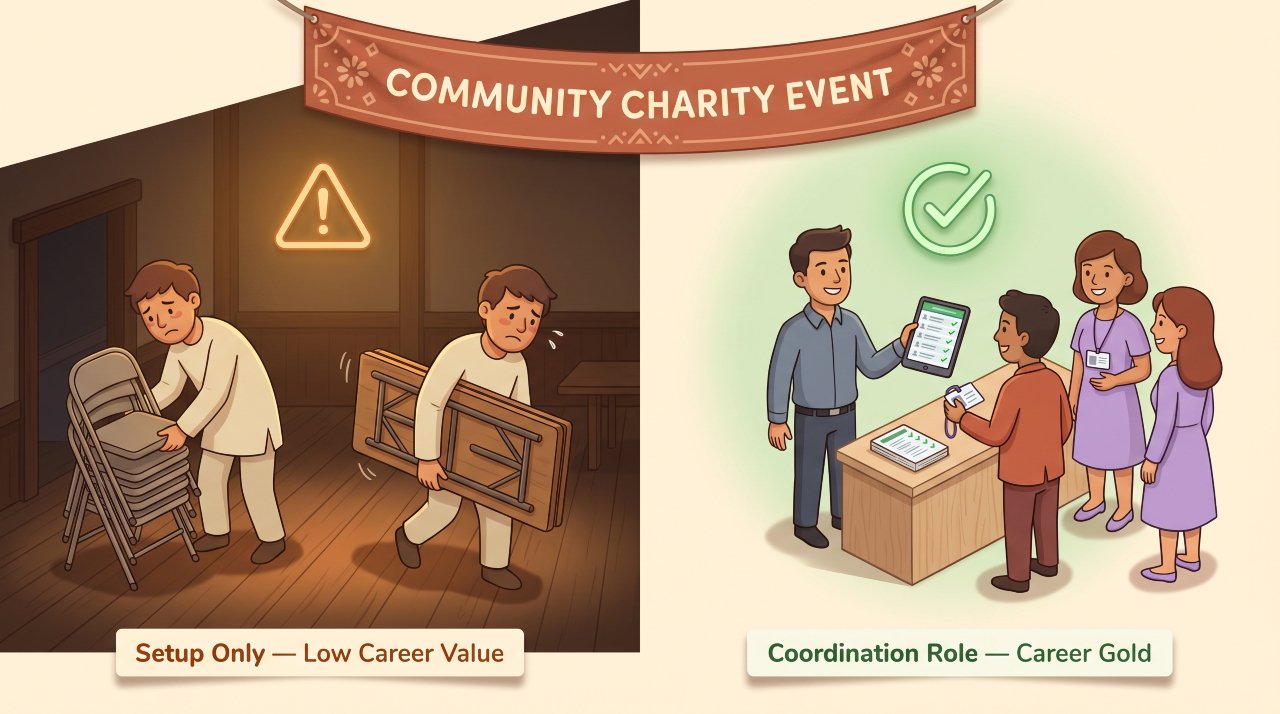
Where to find on-site experience quickly:
| Opportunity Type | Where to Find It | What You Learn |
|---|---|---|
| Local charity galas and fundraisers | Nonprofit organizations, community boards | Guest management, layout, registration flow |
| School or university events | Alumni offices, student unions, athletic departments | Gate operations, ticketing, crowd management |
| Community festivals | City event offices, local business associations | Vendor coordination, site logistics, signage |
| Conference or trade show support | Professional associations, convention centers | Registration, speaker management, AV basics |
| Religious or cultural events | Community organizations | Catering coordination, scheduling, volunteer management |
Contact the organizer directly. Offer specific help — “I’d like to assist with registration and check-in logistics” — rather than a generic “I want to volunteer.” Specific offers get accepted. Vague ones get ignored.
Most common mistake: Volunteering for setup and teardown only. You want to be in registration, vendor liaison, or day-of coordination roles. Setup experience is physical labor. Coordination experience is a career credential.
What correct setup looks like: After each event you support, write a one-paragraph case study: what the event was, your specific role, one problem you helped solve, and the outcome. These become the stories you tell in interviews.
4: Build a Simple Portfolio Before You Need One
Why this step matters: When a hiring manager or potential client asks to see your work, you need something ready. A portfolio built from real experience — even unpaid, small-scale experience — is far more compelling than a blank resume with a generic objective statement.
What to include in an entry-level event planning portfolio:
- Event case studies (1–3 paragraphs each): Event type, your role, specific tasks, challenges, and outcomes
- Sample planning documents: A real or mock run-of-show, a budget template, a vendor checklist
- Photos: From events you’ve worked, with permission from organizers
- Testimonials: A short written reference from a charity coordinator, event lead, or organizer you worked with
- Tools you’ve used: A simple list of platforms (registration systems, project tools) with brief descriptions of what you did in each
You don’t need a professional website on day one. A clean PDF document or a simple free Notion page is enough to start.
Most common mistake: Waiting until everything is “professional quality” before building a portfolio. An honest case study from a 60-person school fundraiser beats a polished empty template every time.
What correct setup looks like: You have a portfolio document you could send within 24 hours if a contact asked to see your work. It has at least one real event case study and two sample planning documents.
5: Target the Right Entry-Level Roles
Why this step matters: “Event planner” is rarely an entry-level title. Applying for senior coordinator or event manager roles without experience wastes time and creates discouragement. The titles that actually lead somewhere are more specific — and more accessible.
Entry-level titles to target:
- Event Assistant / Event Coordinator Assistant — direct support to a senior planner, exposure to full event lifecycle
- Venue Coordinator — manage bookings, client communications, and day-of logistics for a specific venue
- Conference or Meeting Planner — corporate setting, strong on logistics and AV coordination
- Registration and Check-in Coordinator — high demand for anyone with ticketing platform experience
- Catering or Banquet Coordinator — F&B-heavy operations, strong vendor and guest experience training
- Marketing Coordinator (Events) — if you have a marketing background, a natural bridge into event roles
Industries that hire the most entry-level event talent:
- Hotels and hospitality groups
- Convention centers and conference venues
- Nonprofit organizations
- Corporate HR and internal communications departments
- Event management agencies
Most common mistake: Applying only to event management agencies. Agencies are competitive and fast-paced — better as a second or third role once you have baseline experience. Hotels and nonprofits are far more accessible as entry points.
What correct setup looks like: You have a targeted list of 10–15 organizations in your area that hire for the specific roles above, and your application materials are tailored to operational skills, not just enthusiasm.
6: Nail the Interview With Operational Specifics
Why this step matters: Entry-level event planning interviews test for two things: your composure and your operational awareness. Candidates who speak in generalities get screened out. Candidates who use specific examples, real numbers, and concrete situations get hired.
Questions you’ll likely face — and how to answer them:
“Have you ever managed multiple tasks with competing deadlines?” Answer with a specific project, the tasks involved, the deadline, and what you prioritized first and why. If your example is from volunteering, that’s fine — the specificity is what matters.
“How would you handle a vendor who doesn’t show up on time?” Walk through your response: first, call the vendor directly and get an ETA. Second, notify your lead coordinator so they can make a decision about delaying the program. Third, implement your contingency (backup vendor, adjusted timing, communicating with guests). An answer that includes “contingency” earns immediate credibility.
“What event technology have you used?” Name the platforms. Describe what you did in each. If you built a test event on a registration platform during Step 2, that is a legitimate answer. “I created a test event, set up two ticket tiers, and tested the check-in QR flow end-to-end” is a real answer that most candidates won’t have.
Most common mistake: Answering interview questions with how you feel about event planning rather than what you’ve done. Passion doesn’t differentiate you. Specificity does.
What correct setup looks like: You have a written answer for the five most common event planning interview questions, each containing at least one specific example with real details.
Common Pitfalls to Avoid
Chasing certifications before experience. A CMP (Certified Meeting Professional) or CED (Certified Event Designer) is valuable after you have 2–3 years of experience. Before that, no certification substitutes for on-site time.
Applying broadly instead of specifically. Ten targeted, tailored applications to roles that match your actual skills outperform fifty generic applications every time.
Ignoring the tech side of events. Registration platforms, check-in systems, and event management dashboards are now baseline requirements in most event coordinator roles. Not knowing how these systems work is a genuine gap, and it’s easily fixable before your first interview.
Undervaluing small events. A 50-person community gala run well is worth more to your portfolio than a 500-person conference where you carried boxes. Seek responsibility, not scale.
Not following up after volunteering. Every event you work is a networking opportunity. Send a thank-you email to the lead organizer within 48 hours. Ask if they have future events coming up. These conversations are where early-career opportunities actually come from.
Frequently Asked Questions
Do you need a degree to get into event planning?
A formal degree is not required to build a successful event planning career. Many working coordinators and event managers come from backgrounds in hospitality, marketing, communications, or business — but equally many entered through volunteering, administrative work, or operational roles at venues. Operational competence and a credible portfolio carry more weight at entry level than academic credentials.
How long does it take to get your first event planning job?
With active effort — volunteering at events, building a portfolio, and applying to targeted roles — most candidates land a first entry-level position within 3–6 months. The timeline shortens significantly for candidates who gain on-site experience quickly and can speak to specific operational tasks in interviews.
What is the average salary for an event planning career?
According to the U.S. Bureau of Labor Statistics, the median annual wage for meeting, convention and event planners is approximately 58,000 dollars. Entry-level roles in nonprofit or administrative settings typically start between 35,000 and 45,000 dollars. Senior roles at agencies or corporate event departments can exceed 80,000 to 100,000 dollars.
Can you get into event planning without any experience?
You can get into event planning without paid experience, but not without any experience at all. Volunteering at events, organizing community or personal events, and building mock planning documents all count as experience. The goal is to have real stories — specific tasks, real problems, real outcomes — to discuss in interviews before you apply.
What is the best first step to take this week?
Contact one local nonprofit, school, or community organization and offer to help with their next event in a logistics or coordination capacity. Be specific about what you can do. This single step builds more career momentum than any certification or online course.
Is event planning a good long-term career?
Event planning offers strong long-term career growth for people who build operational expertise early and develop a specialty. The field rewards specialization — corporate events, large-scale festivals, nonprofit galas, and sports events all have distinct skill sets and compensation levels. Planners who develop deep operational knowledge and a strong vendor network consistently advance faster than generalists.
Conclusion
Getting into event planning is straightforward if you approach it the right way. Build the operational skills that hiring managers test for. Get on-site experience before you apply. Build a portfolio with real examples, even if they’re small. Target the right entry-level roles in the right industries. Then interview with specifics, not generalities.
The event planning field rewards people who show up, do the work, and learn by doing. Every event you work — whether it’s a 40-person charity fundraiser or a 400-person conference registration shift — adds a real story to your professional record. Start building those stories now.
When you’re ready to take on your first full event, bookmark our full event planning guide for a complete walkthrough of every planning phase from strategy to post-event debrief.